

“The government should listen to children’s ideas more and children shouldn’t have to pass their idea to an adult to make it happen … Children should be able to change the world too.”– Girl, 11.
As Children’s Commissioner, it’s my job to listen to children and make sure their voices are heard by the people making decisions that shape their lives.
Every child deserves to have a say on the matters that affect their lives. This notion has been central to my time as Children’s Commissioner, as I believe the best policy thinking starts by listening to children – because no one understands childhood today better than children themselves.
Today, I am reflecting on what hundreds of thousands of children have told me about their lives, their challenges and their hopes for the future – and why their voices must remain at the heart of every decision this new government takes.
Over the past year in particular, children and young people have shaped all of my research and recommendations. Their experiences have shone a light on what it means to grow up in a low-income family today and how the online world is shaping childhood through social media, exposure to pornography and emerging threats like generative AI tools, as well as the appearance changing products they encounter online.
“I’m worried that one day this could happen to me. Like, it could happen to anyone around you… with how good AI is getting, they wouldn’t know whether it’s real or not. It’s kind of scary.” – Girl, 16
Young people have also brought invaluable perspective to some of the country’s most challenging debates, including on assisted dying, reminding adults that decisions affecting children should never be made without first hearing directly from them.
“The government gives no social care to people like me and then gives me an option to choose to die if I feel I can no longer live.” – Girl, 15
The evidence children have shared with me has also helped shape national debates, including on social media restrictions for under-16s. Young people have been clear that while the online world offers huge opportunities, it also presents real risks. Rather than simply banning them from social media, they want adults to focus on making their digital experiences safer.
“The problem isn’t just social media, but the use of a phone. If children didn’t have social media, they’d use a phone for something else. Before I had social media, I could spend hours playing pointless games on my phone. I guess the effects of social media are a lot worse on attention span and I can tell my attention span has lessened since switching from games to social media.” – Girl, 17
“I wouldn’t say a total ban, but there needs to be tougher restrictions and more accountability with the onus really on the social media companies – fines where they are falling short in keeping those standards and letting inappropriate content get to the screens of young children.” – Boy, 17
Listening to children cannot be a tick box exercise. It is not enough to invite a handful of young people to a meeting once or twice a year or only listen when their views support your thinking. Meaningful participation with young people means going to where they are, understanding the realities of their lives, and being prepared to change your perspective because of what they tell you.
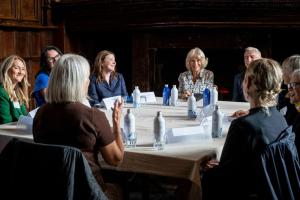
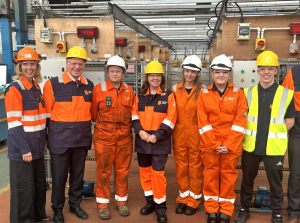
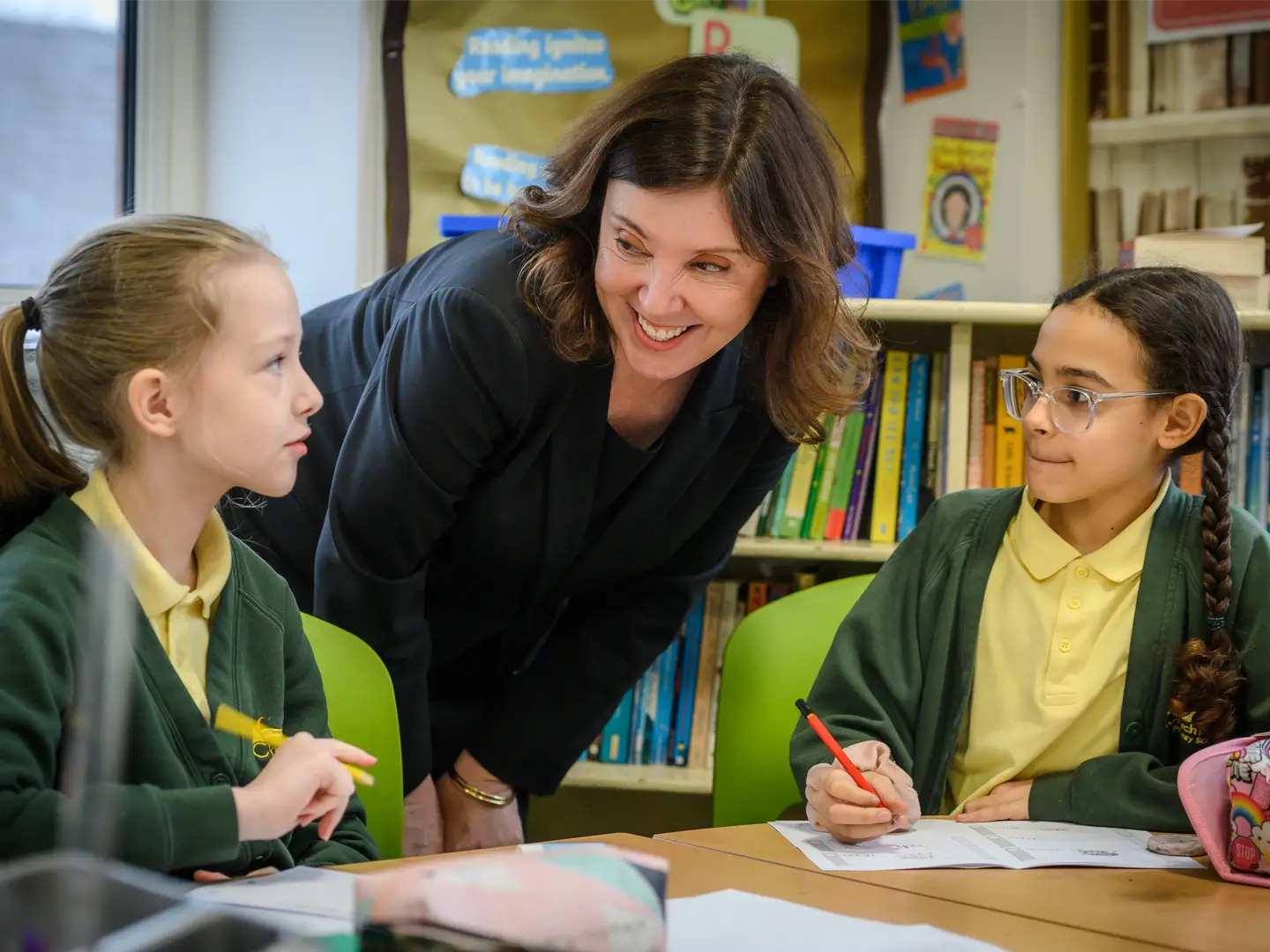
That is why every year I visit schools, hospitals, youth organisations and community groups across England to hear directly form children about their experiences. It is equally important to engage with children whose voices are too often overlooked, including children in care, those in young offender institutions and children staying in reception centres after seeking asylum.
In recent weeks, my conversations with children have continued through The Big Future survey, where I am asking children and young people what needs to change to improve childhood and build a better future for tomorrow. Every response and conversation adds to our understanding of what life is really like for our children growing up in England today.
As the new government sets out its priorities, it has a real chance to place children at the heart of decision making – not by speaking for them, but by listening to them and acting on what they say.
I will continue to make sure children’s voices are heard in rooms where decisions are taken because when children help shape policy, we have better decisions – not just for young people but for the country as a whole. That is why it is vital we continue to listen to children, to make the England the best place to grow up.