

For the first time, hundreds of thousands of children will be eligible to vote in the next general election at age 16, the biggest change to the franchise in half a century – yet just one in five children say politicians listen to them.
That’s why I’m doing my final survey, The Big Future, to talk to a million children, to listen to them. And to find out about what it’s like to be a child today.
I am asking children about the changes they want to see in their communities, their biggest concerns, and their hopes for the future. More than anything, I want to know what they think a good childhood should look like, now and in the future.

How children and young people can take part
The survey is open now. Full URL: childrenscommissioner.gov.uk/thebigfuture
Sharing The Big Future in different settings
Resources:
We have created resources to share with children and young people, to help them understand how they can have their voices heard and take part in The Big Future survey.
The resources can be used in form time, lessons or assemblies, in youth groups, sessions with young people, and at home.
Social media
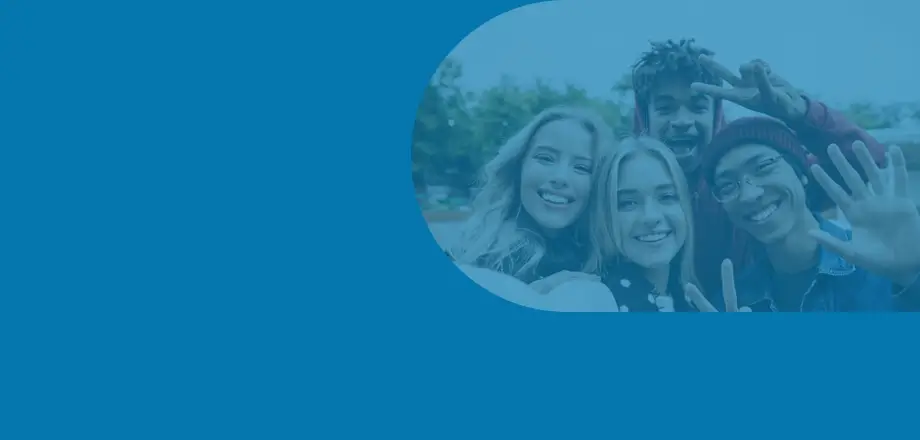
You can post content about The Big Future using the hashtag #TheBigFuture. We will be promoting posts from schools, individuals, and organisations. You can use the social asset image to the right of this text.
You may also wish to tag the official Children’s Commissioner channels:
- Instagram: @ChildrensCommissioner
- Twitter (X): @ChildrensComm
- Facebook: @ChildrensComm (Children’s Commissioner for England)
- LinkedIn: Children’s Commissioner for England
FAQs
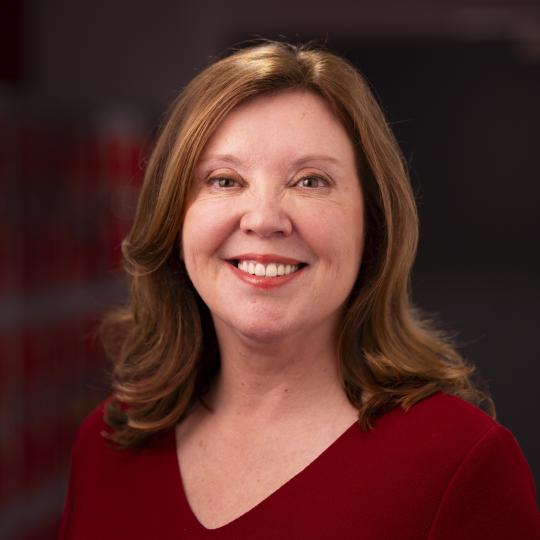
Dame Rachel de Souza, Children’s Commissioner:
In the five years since my first survey of England’s children, the landscape of childhood has changed rapidly. Mental health referrals have increased by around half a million, more children are spending long periods of time online, and a growing number require additional support at school.
How the government responds to those changes will shape what it’s like to grow up in England for years to come.
Listening once is never enough. This will be my third and final major survey of children. Speaking to children, asking them what they want, and acting on it, has been the approach I want to be the hallmark of my time as Children’s Commissioner.
There is a growing sense – in Westminster, in the media, and our wider national mood – that something is going wrong with childhood. Older generations believe the young are worse off than they were, and this belief is starting to trickle down the age range: childhood is not what it once was.
This is unsurprising, in some ways. This generation of children is on the brink of adulthood, having witnessed huge change: from the impact of the pandemic, to rising crime in their communities, to the new dominance of AI and tech. These are things that are shaping children’s lives now – not just things to worry about in the future.
Childhood is changing – but we are struggling to express how, why, or exactly how we feel about it. We are finding it even harder to respond.
And throughout all this change, decision makers are failing to listen to them.
When their schools closed, they were not consulted. We reopened pubs before we reopened schools.
When they told us about the dangerous things they were seeing online, we were too slow to act. More children spend more time online than ever, seeing worse content.
They have told us how to make their homes and communities safer – yet one million still live in destitution, after years of consistently rising child poverty.
But we know how to improve things. When we listen to children about the new and emerging challenges in their lives: the things that worry them, the things they love, the ways they have fun, and the changes they want for a better future.
I will be working relentlessly to listen to one million children, especially those who are often the hardest to reach, before the survey closes on October 23rd.
Ambitious? Yes. But children deserve nothing less than the soaring heights of our ambition.
- The questions: cover having fun things to do in the local area, online safety, hopes about the future, and other topics. Two extra questions about voting and worries are shown to children aged 12 and older. School pupils are asked questions about school.
- Deadline: The survey link will remain live until October half term. The closing date is Friday 23 October 2026 at 23.59.
- How long it takes: Children take about 5 minutes to complete the survey, depending on how quickly they read, and how much they want to write. Some children may take longer and need more help.
- There is a single version for all children: The survey has been designed to be easy to read and accessible for all children, including children with special educational needs and disabilities.
- How to complete the survey: The survey can be completed on a wide range of devices (tablets, laptops, smartphones etc).
- Consent: The survey is voluntary and optional for children. Parents and carers do not need to give consent on behalf of their children, but are welcome to review the questions.
- What will happen next: The Children’s Commissioner’s office will analyse the survey data and report on the findings in 2027. If you would like to receive emails containing information on the survey findings, you can sign up to our email newsletters at https://www.childrenscommissioner.gov.uk/ A version of the answers, edited to make sure no one can be identified, will be deposited in an academic data archive for possible future analysis. For more information see the survey’s Data Protection Impact Assessment.
Thank you for helping your child, pupil or student to complete the Children’s Commissioner’s survey The Big Future. Children and young people’s answers will be analysed and the findings shared with government to help make life better for the next generation.
We expect most children who are younger than secondary school age will need some help completing the survey. Adults can help by offering explanations of unfamiliar terms and by giving children certain information such as their local authority name and school postcode.
The following explanation may help some children understand what the survey is for:
Dame Rachel de Souza’s job is to hear what children think, and her survey asks some questions to find out what children think.
She wants children to have their say by answering her questions. You can watch this video to see Dame Rachel explain [why she is doing this survey].
If you are helping children to complete the survey outside a school setting, it will be helpful to find out the names and postcodes of children’s schools in advance, as one of the questions for school pupils asks for this.
You may also need to help children by finding out in advance the name of the local authority they live in, their ethnic group, whether they have a social worker or not, and whether they have Special Educational Needs or Disabilities (SEND).
If any of the information is unavailable, children can answer ‘I don’t know’.
The survey has been designed to be easy to read and written in plain English, so is suitable for many children with SEND to answer themselves or with help.
Children with high-level needs may need an adult to answer questions on their behalf, for example about their age, ethnic group, and SEND status. To prepare, adult helpers can browse the survey questions before completing the survey with children.
Adults can show photos or illustrations, or offer extra explanation or examples tailored to a child’s level of understanding and what you know about them. For example, you might give examples of ‘fun things to do in your local area’ that you know the child is aware of. The presentation downloads [above] can help children think through the topics in advance of answering the survey questions.
The survey asks for children’s ethnic group: whether they are Asian, Black, Mixed, White, or an other ethnic group. It may be helpful to explain to children that an ethnic group is a group of people that might have the same language, religion, nationality, culture, or a shared history somewhere in the world.
Children may not be familiar with the term SEND. You can explain that special educational needs and disabilities mean children need extra help to learn, for example because of autism, ADHD, dyslexia, or they might need to use a wheelchair, or be blind or deaf, or have a learning disability like Down’s syndrome.
Children being assessed for possible SEND might choose to answer yes, no, I don’t know, or I don’t want to say – it’s up to them.
We are asking for the name of the local authority the child lives in most of the time. For example, Warwickshire, Newcastle upon Tyne, or the London borough of Brent. In two tier local government areas, we are asking for the name of the top tier council. Children may need help because the name of their town or city might not appear in their council’s name.
If you know the child’s postcode you can find their local authority here: https://www.gov.uk/find-local-council
The survey asks ‘Which school or college do you go to most of the time? Start typing its name and postcode’. To save time, it could be helpful to give children the postcode of their school or college for them to type in, rather than the name and address in full. This will be the same it as appears in https://www.get-information-schools.service.gov.uk/
The survey asks younger children, if they do not go to school, whether they go to nursery or childcare. You should select this option if a child is registered at a nursery, pre-school or playgroup, or has a childminder or nanny. However, if they have started Reception, they go to school.
The survey asks children some yes/no questions, for example, ‘Do you feel safe in your local area?’. Any children struggling to pick between these should be encouraged to consider whether they would answer ‘mostly yes’ or ‘mostly no’.
You can use the following conversation starters to discuss how your child feels about how the future could be better. You can take notes and complete the survey on their behalf afterwards.
- How could your life be better?
- How could life be better for other children here in (location)?
- What would you change to make life better for children all over the world?
You can also refer to the Sharing The Big Future in different settings section above for more resources to help children think through their answers.