


Yesterday, I published new findings showing that thousands of 16 and 17-year-olds enrolled in further education are attending less than half the time. These ‘hidden NEETs’ are effectively disengaged from education, but remain outside the official statistics on young people not in education, employment or training.
Behind every statistic is a young person with their own story. That is why, today, I am sharing a guest blog from 17-year-old Poppy who left education at 14. She recently wrote an open letter to Prime Minister Andy Burnham about her own experience of being NEET, before taking up her apprenticeship.
I have asked Poppy to reflect on what motivated her to write the letter, the response she received and what she wants to see change for young people who find themselves disconnected from education, employment or training. Here is what she had to say:
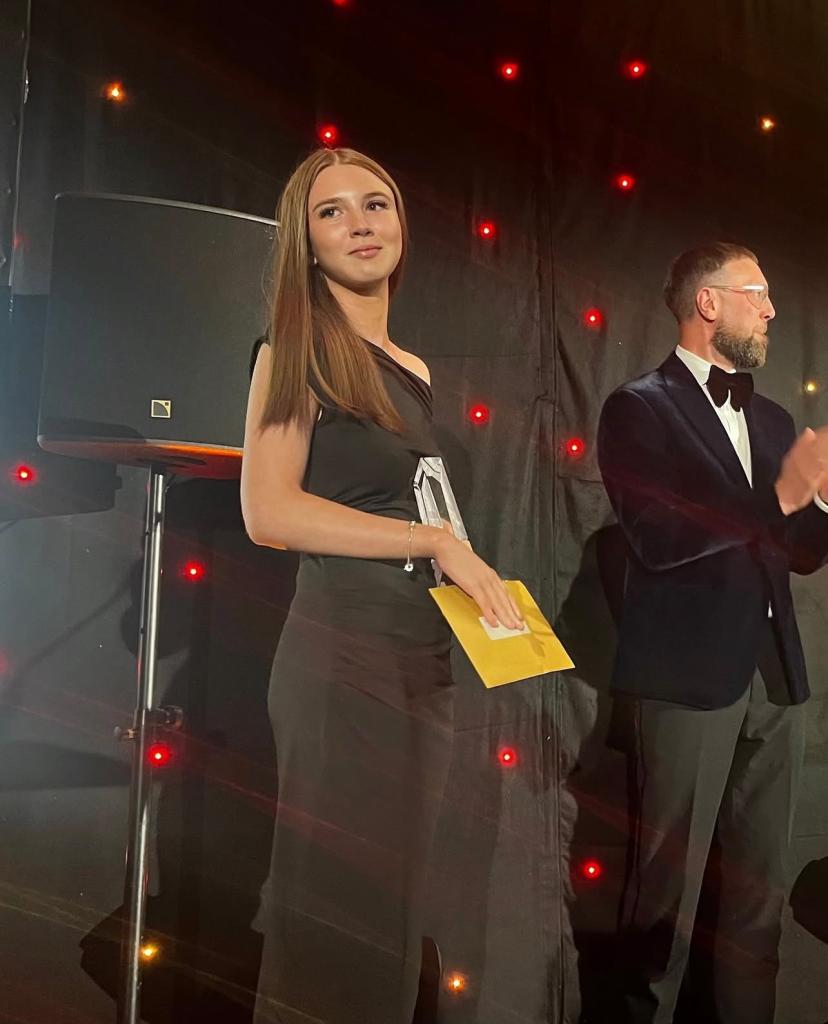
Earlier this year, I wrote an open letter to Andy Burnham after seeing a lot of discussion around young people who are labelled NEET – young people not in education, employment or training. The more I listened to those conversations, the more I felt that the focus was often on the numbers rather than the people behind them, and I wanted to share my own experience of what it actually feels like to be in that position.
Not that long ago, I was one of those young people myself, I left school at 14 because it wasn’t the right environment for me and, once I’d left, I found myself in a position where I wasn’t in education, employment or training. And I wasn’t really sure what my future was going to look like.
Looking back now, I think one of the biggest misunderstandings about young people who are NEET is the assumption that they aren’t interested in their future or don’t want to do anything with their lives, but that certainly wasn’t true for me, and isn’t the case for many young people.
The problem wasn’t that I lacked ambition. If anything, I wanted things to change, but wanting things to change and knowing how to make that happen are two very different things. When you don’t have much confidence in yourself and you’re struggling to see where you fit, it’s hard to know what your next step should be. Opportunities can feel like they’re there for other people and not for somebody with your experiences.
Things began to change because people invested their time in me. They encouraged me, they listened and they helped me recognise strengths in myself that I hadn’t really seen before. As my confidence grew, I started to believe that I was capable of more than I’d previously thought.
Today, I’m 17 years old and work as an apprentice with Primary Goal while also supporting the Future Ready Foundation. When I look back at where I was a few years ago, it’s difficult not to think about how differently things could have turned out if people hadn’t taken a chance on me. That’s something I carry with me whenever I get the opportunity to work with other young people because I know first-hand how much of a difference the right support can make.
The more I reflected on my own journey, the more I realised that it was one of the reasons I wanted to write the letter. I wanted to tell my story, but I also wanted to challenge some of the assumptions that are often made about young people who are NEET and remind people that everyone’s circumstances are different.
The response was much bigger than I expected. I heard from people working in education, charities, businesses and local government, as well as people who simply related to what I’d written because they’d experienced something similar themselves. What stood out to me was the number of people who said that hearing directly from someone with lived experience had made them think differently about the challenges some young people face.
One thing I hadn’t expected was how much the response would affect my own confidence. Before sharing the letter, I wasn’t sure whether my perspective really mattered. I’m still at the beginning of my career and there are plenty of people who know far more than I do, but the reaction reminded me that lived experience has value and that young people should have a voice in conversations that affect them.
There isn’t one reason why somebody becomes disconnected from education, training or employment and that’s why there isn’t going to be one solution. Every young person’s circumstances are different, which is exactly why it’s so important that support is flexible and accessible.
If there’s one thing I’d like people to take away from my experience, it’s that potential exists everywhere. Sometimes it just takes the right opportunity, the right support or somebody willing to believe in a young person before they fully believe in themselves.