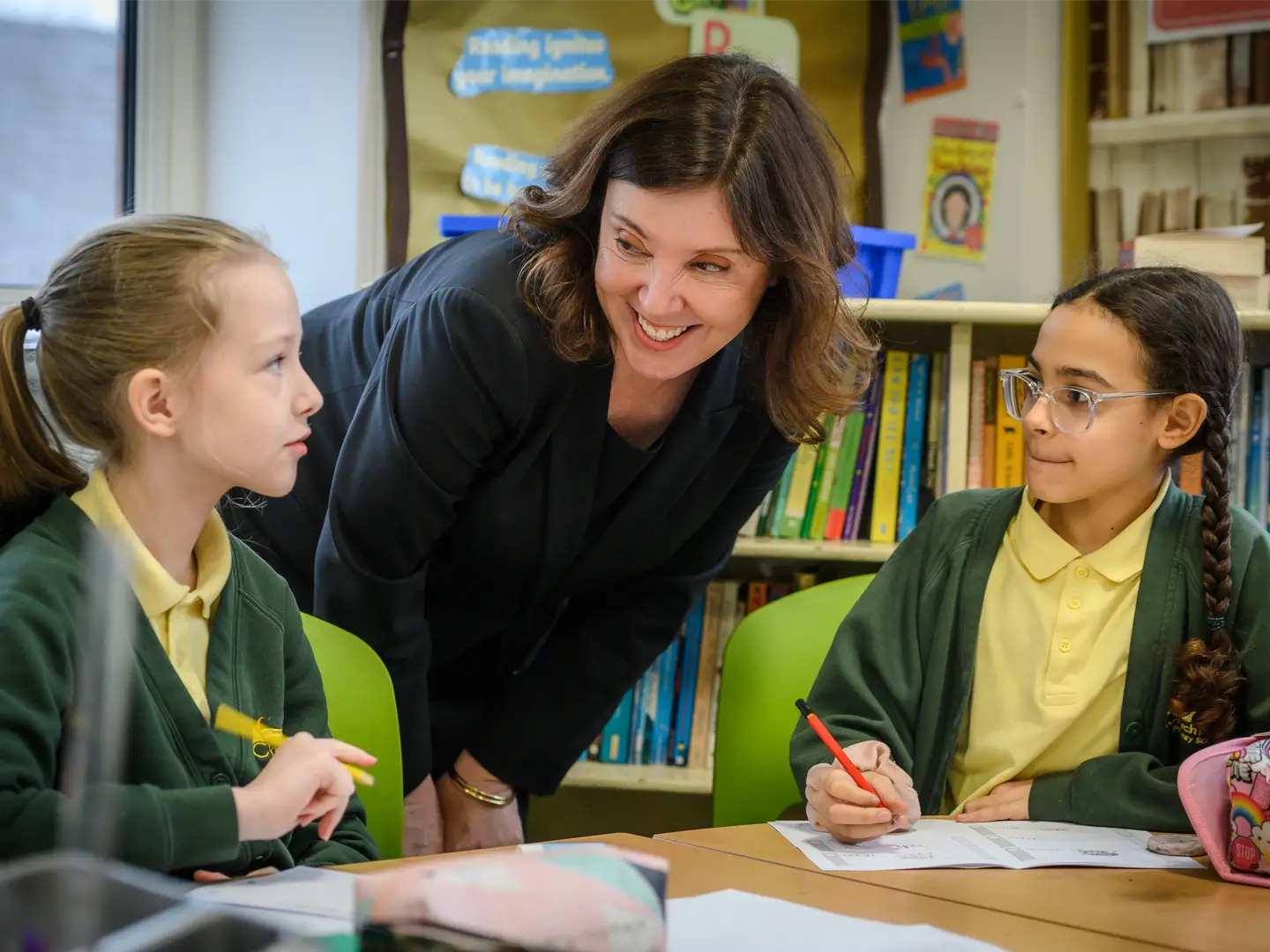



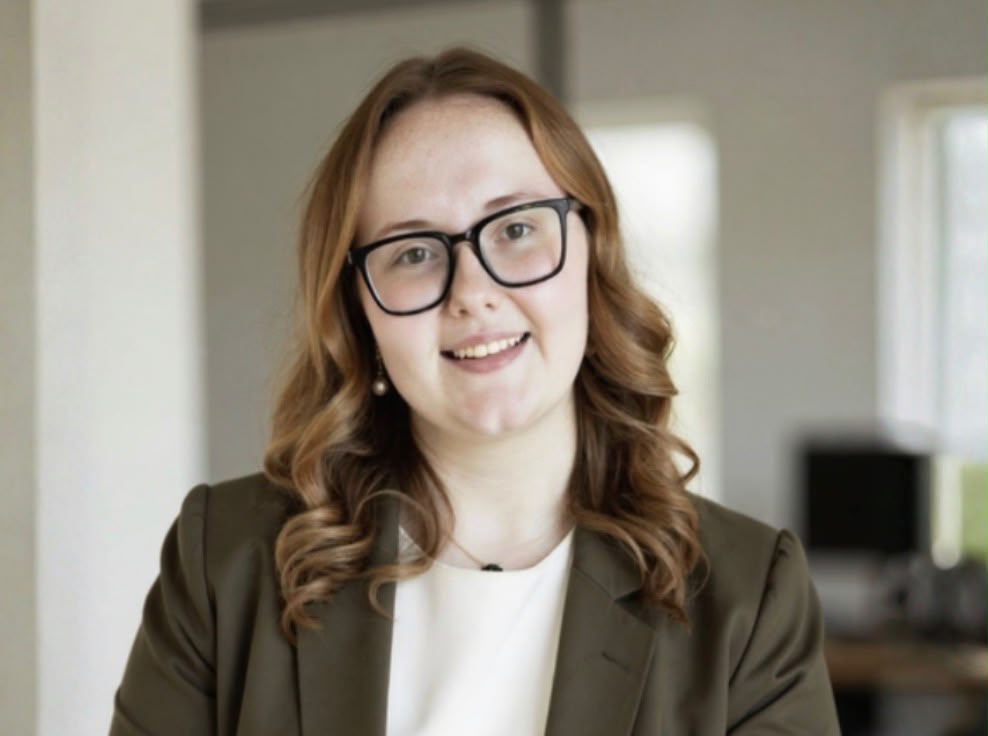
Today I am sharing a guest blog written by one of my former Youth Ambassadors, Rylie. Rylie was part of the first cohort of Ambassadors in 2024 and is from Darlington. After leaving school Rylie undertook an apprenticeship and works as a consultant, including as a global advisor on education and youth policy, supporting the Education Beyond 2030 process.
She recently joined me at the Labour Party Conference for The Big Conversation panel, where, alongside some of my other Youth Ambassadors, we discussed what devolution might mean for young people.
With the Prime Minister committed to greater devolution across the country, I have asked Rylie to share her view on what devolution could mean to communities around the country. Here is what she had to say:
Devolution has the potential to make policy more responsive to people and places. For children and young people, that matters.
Their experiences of education, transport, employment, safety, health and opportunity are shaped not only by national policy, but by where they grow up. A young person in a rural or coastal community may face very different circumstances to somebody living in a city, town, or suburb.
Devolution creates opportunities to understand those differences and design responses around the realities of each place.
National leadership remains essential in establishing rights, standards, and expectations for every child. However, regional decision-making can create greater flexibility to respond to local circumstances, connect services, and build on the strengths of different places.
The Prime Minister’s experience of devolved leadership in Greater Manchester brings renewed attention to this opportunity. As the national conversation develops, we should consider not only which powers can be exercised regionally, but how children and young people can help shape the decisions made with them.
Learning from Greater Manchester
Greater Manchester offers several examples of regional leadership, evidence and youth participation being brought together.
The Greater Manchester Youth Combined Authority gives young people from across the city-region a route to advise regional leaders and influence policy. Its partnership with the youth sector helps connect the combined authority with youth councils and organisations that already have trusted relationships with young people.
The #BeeWell programme shows how young people’s voices can be combined with strong regional evidence. Its survey was co-designed with young people and gathers consistent information about their wellbeing. Almost 100,000 young people in Greater Manchester participated between 2021 and 2025, with findings informing action by schools, councils and community organisations. Measures from the survey have also been incorporated into the Greater Manchester Strategy.
The Greater Manchester Baccalaureate, or MBacc, provides another example. Its ambition is to create clearer technical education pathways connected to the opportunities and employers within the regional economy. This demonstrates how devolved leadership can help join up education, skills and economic planning around the needs of a place.
Building on strong foundations in the North East
Through my work across the North East, I have seen the depth of youth participation already happening within councils, schools, colleges, youth organisations and community partnerships.
The North East Combined Authorities,Child Poverty Action Plan was developed with contributions from young people, parents, carers and organisations across the region. It also commits to continued engagement with young people as the plan is delivered and developed, alongside establishing a North East Youth Combined Authority to embed youth voice more widely.
In County Durham and Darlington, the Police and Crime Commissioner has undertaken a major consultation with young people about crime, policing and their safety. Their priorities are being used to develop a dedicated Youth Police, Crime and Justice Plan, demonstrating how young people can contribute not only their experiences, but also ideas about solutions.
These regional examples sit alongside significant work by individual councils and youth organisations. Newcastle Youth Council, for example, gives young people opportunities to represent their peers, campaign on issues and speak directly to decision-makers.
Combined authorities can add value by connecting this work rather than replacing it. They can convene councils, public services, education, employers and youth organisations; identify the messages emerging across different communities; and create routes for local insight to influence regional priorities.
An opportunity to bring decisions closer
There will not be one model of youth participation that works everywhere. Every region has different communities, institutions and existing relationships. But young people should be involved early, while priorities are still being shaped, and engagement should connect to real decisions.
Regional institutions should work with organisations that already have trusted relationships with diverse groups of young people, including those who may face additional barriers to being heard. Young people should also be told what happened as a result of their involvement.
The promise of devolution is not simply that decisions are made in a different building. It is that those decisions can be better connected to the people, evidence and experiences within a place.
There is already excellent work to build on across Greater Manchester, the North East and other regions. The opportunity now is to connect and amplify it, ensuring that children and young people are at the heart of devolution from the beginning.