I have been thinking about politics a great deal as I travel the length of England promoting my survey of children The Big Future.
I don’t mean what happens in Westminster, or what dominates the news. I mean the messy and beautiful business of how we go about deciding how we live together.
Last week, I was in Preston, and a child said to me that “you sit down for dinner – what’s the one topic you want to avoid? Politics.” Perhaps they’re right. But it introduced other questions: where exactly do we expect children to be educated about our democracy and our civic virtues? And why are we so uncomfortable talking to children about politics?
Adults are not always comfortable when children talk about power. We reach instinctively for qualifications. They are too young, too easily led, not yet fully formed. We condescend with the noblest of intentions. We persuade ourselves that we are protecting children from complexity, when in fact we are protecting ourselves from the discomfort of doing something that is difficult.
The children I have met on this tour have dismantled that excuse entirely.
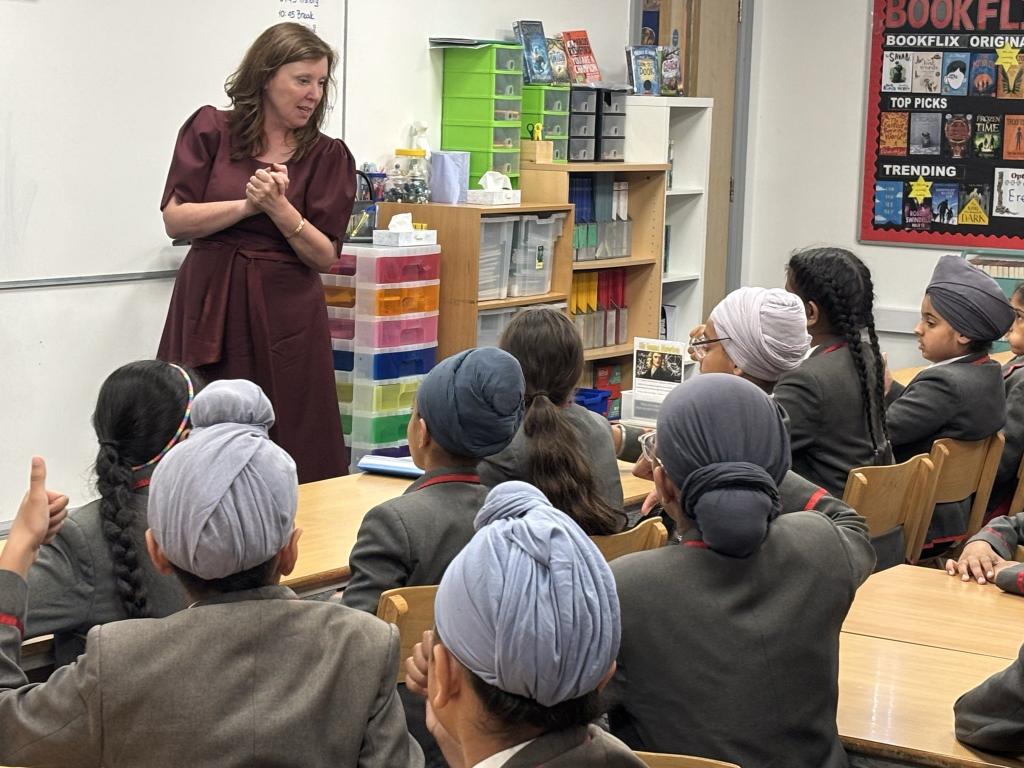
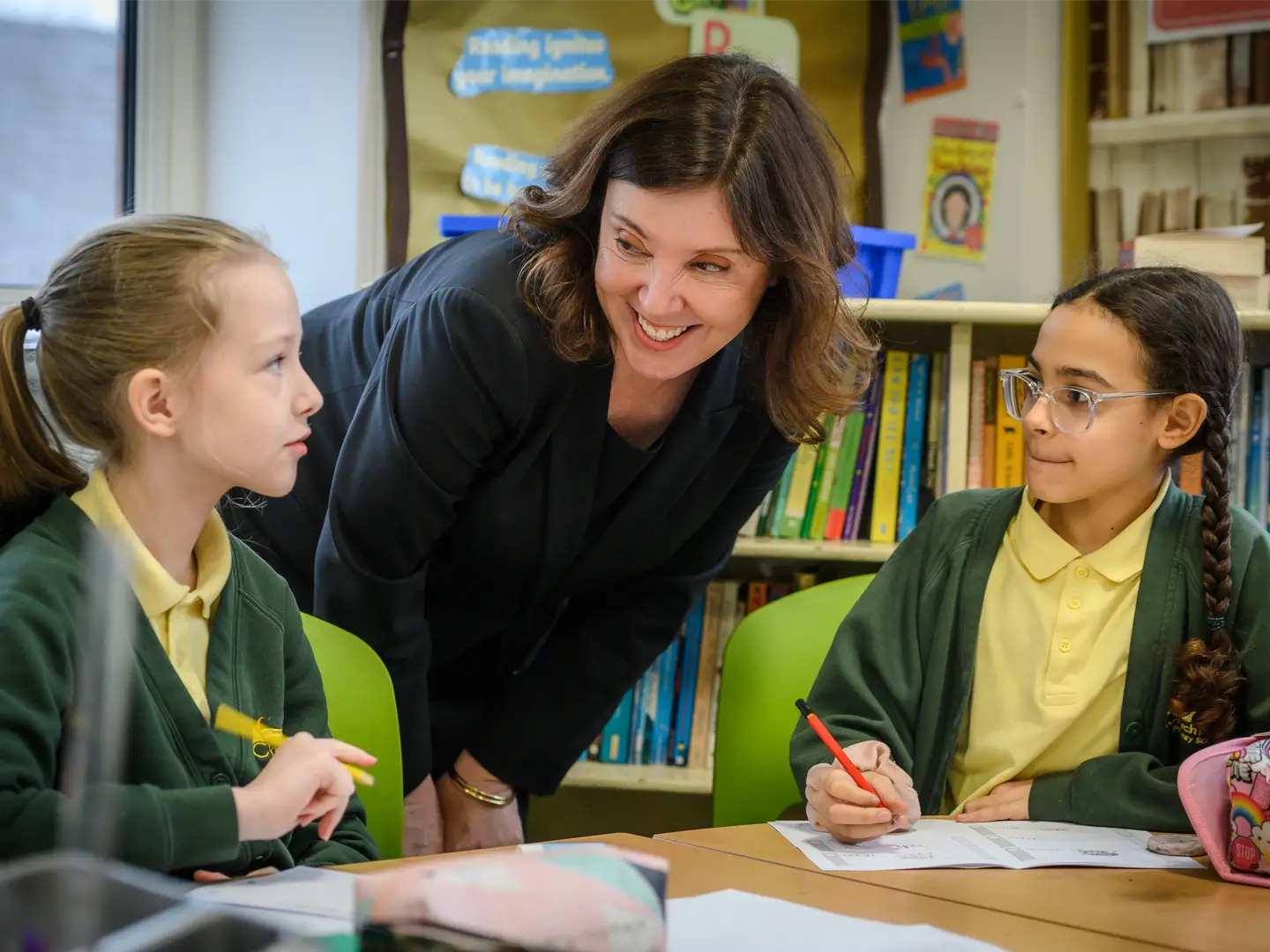
This week, I sat with primary-aged children across different schools in Birmingham. A child, when asked about improving her area, told me all about how they were concerned about the state of Birmingham’s refuse collection.
Another child chimed in: ‘Well, my Dad’s been on strike.’ These are the sort of opposing views that we worry about causing strife or friction in children’s lives. But they rose to this conversation magnificently. They discussed their perspectives. The conversation continued.
We can and should trust children to have these discussions. In Birmingham, they were profoundly aware of the difficulties that their local authority has had with refuse collection; it came up at all ages. Younger pupils had a profound sense of fairness, and real concerns for the lives of others. Older pupils felt this too, but brought in their wider lived experience, telling me about social media, AI, and the job market.
Listening doesn’t mean expecting children to present you with fully detailed policy proposals. Children are not policy experts, not paid to solve these kinds of problems. But they are experts on one incredibly important question: what is it like to be a child in this country today? Birmingham’s children had quite profound things to say about . As one girl told a member of my staff: “Recently, there’s been so much hatred towards kids being kids… and too much of a rush for us to grow up quickly.” Other children told me their priorities when it came to a good life: “I know I have friends near me, and that I’m getting a good education.”
Listening to children doesn’t mean doing exactly what they say. It is okay to disagree. The mark of basic democratic respect isn’t whether you agree with someone else. It’s that you listen, because you respect their right to be heard, and you explain your view, because you respect their ability to understand. That is what makes the difference. Not the age of the child, but whether we extend to them the basic presumption that they are capable of meaningful engagement with these issues.
We have created a strange contradiction in how we treat children and politics. We tell them that the world they will inherit is defined by the decisions being made right now. We teach them our history, about climate change and the future. We tell them about our fundamental British values. We tell them that democracy is valuable. But when they speak about that world with urgency, and feeling, and real knowledge, we change the subject. We tell them to focus on their exams. We remind them they cannot vote yet, as though our democracy were a small and timid creature native only to a polling station.
I have said elsewhere that we have two duties when we work with children: to shape the adults they will become, certainly; but never to lose sight of the inherent dignity of the human person right in front of you, right now. So it is with politics.
Children are not pre-political beings. They are not waiting to graduate into citizenship. They are already citizens, already affected by every budget, every housing decision, every choice about what gets funded and what gets cut, every choice about what kind of stories we tell about our nation. They are living with the consequences of decisions they had no say in. The least we can do is listen when they tell us what they see.
This week, I was in Birmingham. I began this national tour at Hadrian’s Wall. I will end it at Land’s End. I am so eager to hear what children have to tell me as I continue these visits. But I can tell you one thing for certain already: everywhere I go, children are asking to be heard.
The question is not whether they are ready for that conversation. The question is whether we are.