
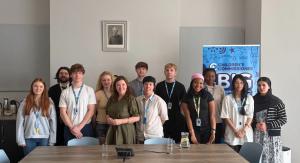
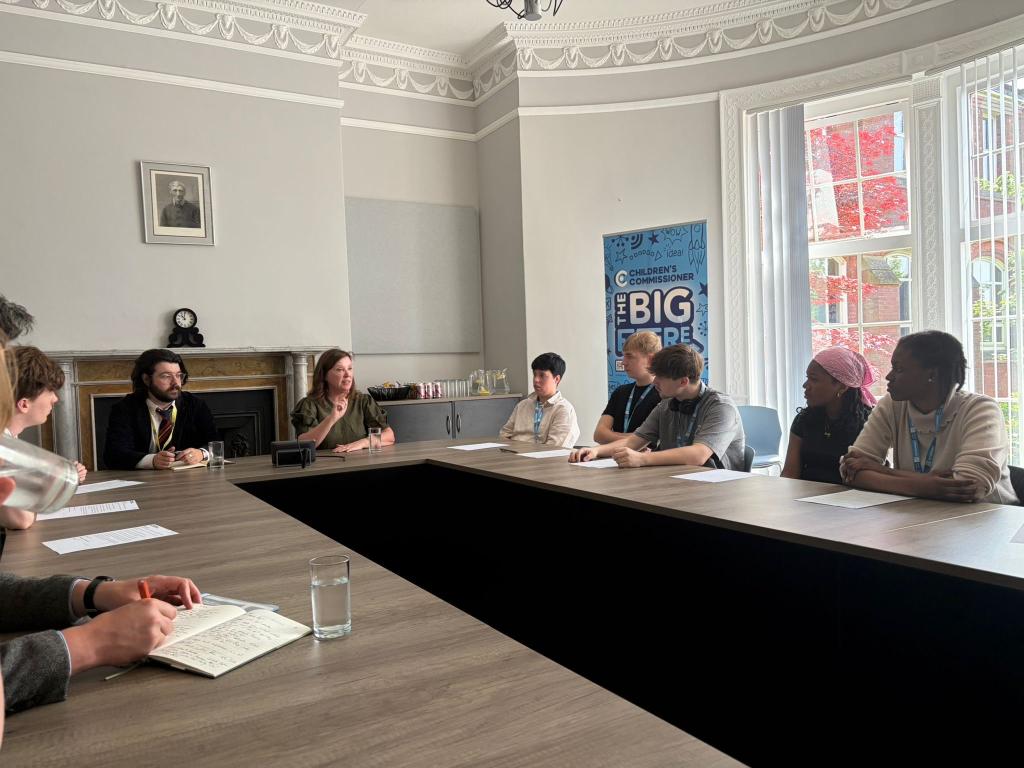
I have been reflecting on my visit last week to Cardinal Newman College in Preston last week, as I visit children all around the country as part of The Big Future.
While there, I spoke to children about their views on a range of topics, but I had arrived on the final day of college for the year 13s, and so our conversation turned to my survey, and their thoughts on the future. Here, I heard about their sense of precarity, their dissatisfaction with a world that encourages constant comparison.
One girl told me about her friend. He was “smart and athletic and has loads going for him” but had told her that “If I don’t have the looks then I won’t get anywhere in life.” She explained he had picked this up on social media.
It is easy to dismiss this as teenage self-consciousness, or vanity, or to say that it has always been the case. It is perhaps more pleasant to discuss this as an absurdity, to attach the suffix of ‘-maxxing’. But her story was not the only one. Across a range of topics, the bright young students at Cardinal Newman kept returning to the fact that they felt held to a standard they could never reach, by an algorithm they could not control, and that this was taking something fundamental to their happiness away from them.
Comparison, we are told, is the thief of joy.
It is also the material and social reality of what it is to be a child today.
Across so much of the work I have conducted as Children’s Commissioner, and in so many of the conversations I have already had on this national tour, I am hearing the same theme, again and again: children are measuring themselves, constantly, against images of lives they cannot access and standards they cannot meet, delivered at a velocity and volume that no previous generation has had to absorb.
That theft of joy is hard to see, sometimes. But you always have to pay the piper. It shows up in the data on children’s happiness, in the decline in satisfaction with appearance, in the anxiety that gathers pace precisely at the moment children move from primary to secondary school and the social world expands and accelerates around them.
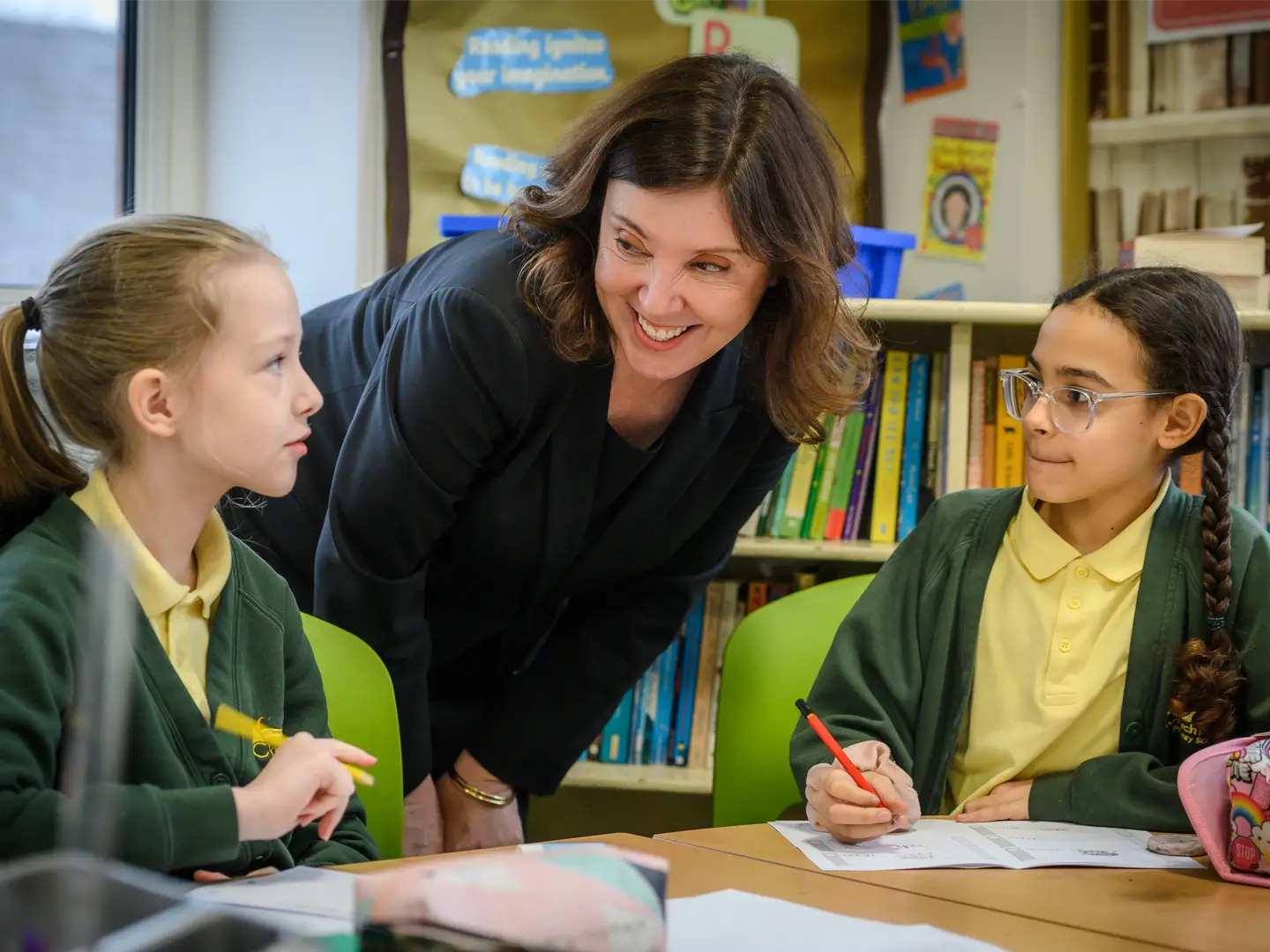
The previous day, I had attended Blackburn’s excellent Olive School. I walked past classroom after classroom of remarkable practice, past Year 6 pupils debating the merits of homework in impeccable British Parliamentary style. But great schooling has always been about more than what happens inside the classroom.
From the friendships formed in corridors, to the quiet conversations between a child and a trusted adult, to the thousand small moments of feeling part of something greater than oneself. It is this that accumulates over years into character, into something at their core that a child will carry with them for life.
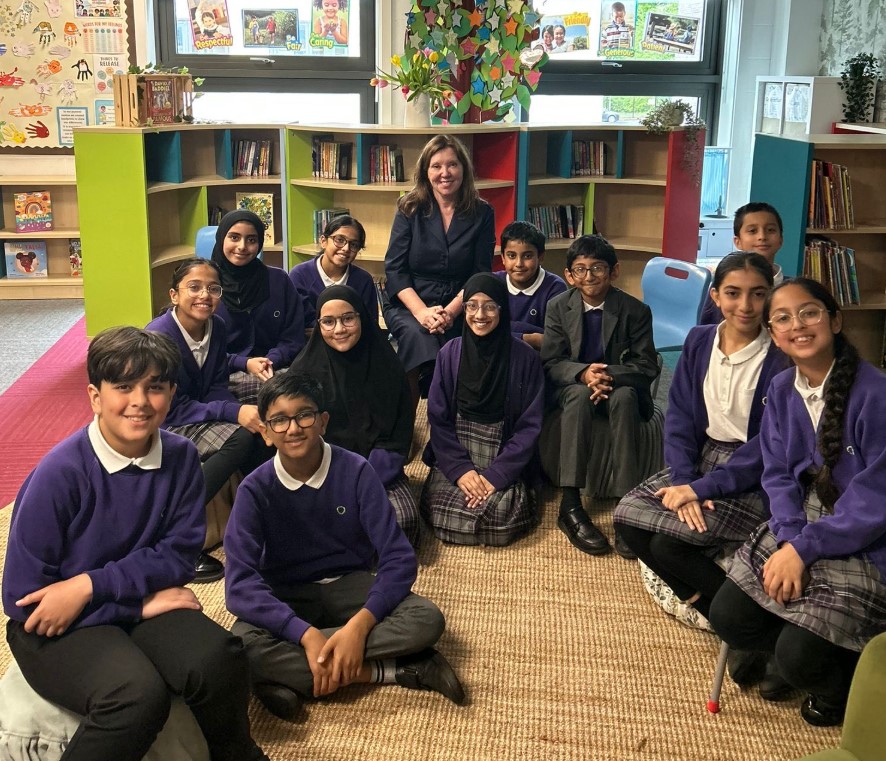
Olive School is an Islamic faith school. This is clear throughout the school, but the teaching that I heard and saw again and again was simple: the view that God judges deeds, and that we are all equal before Him. It is a view my own Catholic faith shares. Children there benefit from the bonds of shared faith, of cultural institutions outside of school, of a clear community against which to base their own experience.
That community does not insulate children from the pressures their peers face; the phones, the feeds, the beginnings of the relentless social arithmetic of adolescence as the children get older, but it offers something that is increasingly rare and increasingly precious: a framework of worth that is not contingent on comparison.
I do not think the answer to these pressures facing children is simply faith, or simply community, or simply better schools, though all of these matter. What I take from visits like this one is something quite simple: that the environments we build around children shape what they believe is possible for themselves, and that a richer, deeper social fabric is far better for children than one we decentralise and outsource to a select few tech moguls.