A version of the below blog appeared in The Observer in November 2026.
“Every day I wake up to disappointment.” This is a voice we rarely hear. The voice of one of the few-hundred children held in Young Offender Institutions across England and Wales.
My job, as Children’s Commissioner, is to listen to every child. That is why my team and I have visited every YOI – Feltham, Werrington and Wetherby in England and Parc in Wales – to speak with young people in custody and the professionals that work with them.
That is why this week – with my review for the Youth Justice Minister – I will put a spotlight on the total failure to provide them with an education.
I can hear the objections already: “why do they need an education?”
There are two answers; both speak to the rights we promise every child.
The first is simple: around two-thirds of children who spend time in YOIs go on to reoffend.
I’ve spoken to many young victims, and they tell me they want the justice system to ensure that no one else suffers the way they have. We owe it to them to ensure that we do not allow young offenders to become adult criminals.
The second is about the society we want to be. I believe every child, whatever their circumstance or length of sentence, has the right to learn, achieve, and – most importantly – to build a better future.
As a former teacher and headteacher, I know that education can change lives. It is the best means we have to reduce reoffending, give children the skills to rebuild their loves and prevent people from becoming future victims.
As one education professional told me in my review:
“If we cannot be ambition about the most vulnerable children in our society, then what does that say about us? If we cannot aim higher for the education of 400 children in the secure estate, then what are we doing?”
My review will show that we are doing exactly the opposite. Education in YOIs is failing young people and getting worst. Children detained in the secure estate are receiving fewer than their entitled 15 hours of education a week.
I found the average number of education hours a week provided per child ranged from less than six hours to just under 13 hours, across England’s YOIs. At worst, in one particular month, children in one YOI received as little as around two hours of education a week,
What’s worse, when they do receive education the quality and content of the teaching is substandard. We are failing to give them fundamentals of literacy and numeracy. And we are failing to respond to what is often their clearest point of motivation – an education that provides a clear line of sight to a good job.
This must change. This week I have proposed a total overhaul of YOI education, premised on taking on the most incredible public policy successes of the past 20 years – the improvement of England’s education system – and ensuring that the knowledge, expertise, and dedication of the professionals that sit in that system are now turned to the education of the boys in our YOIs.
It may be difficult. Young people in custody tend to have significant educational disadvantages and complex needs. Some 64 per cent have been taken into care. Children failed throughout their lives. They need the most, but get the least.
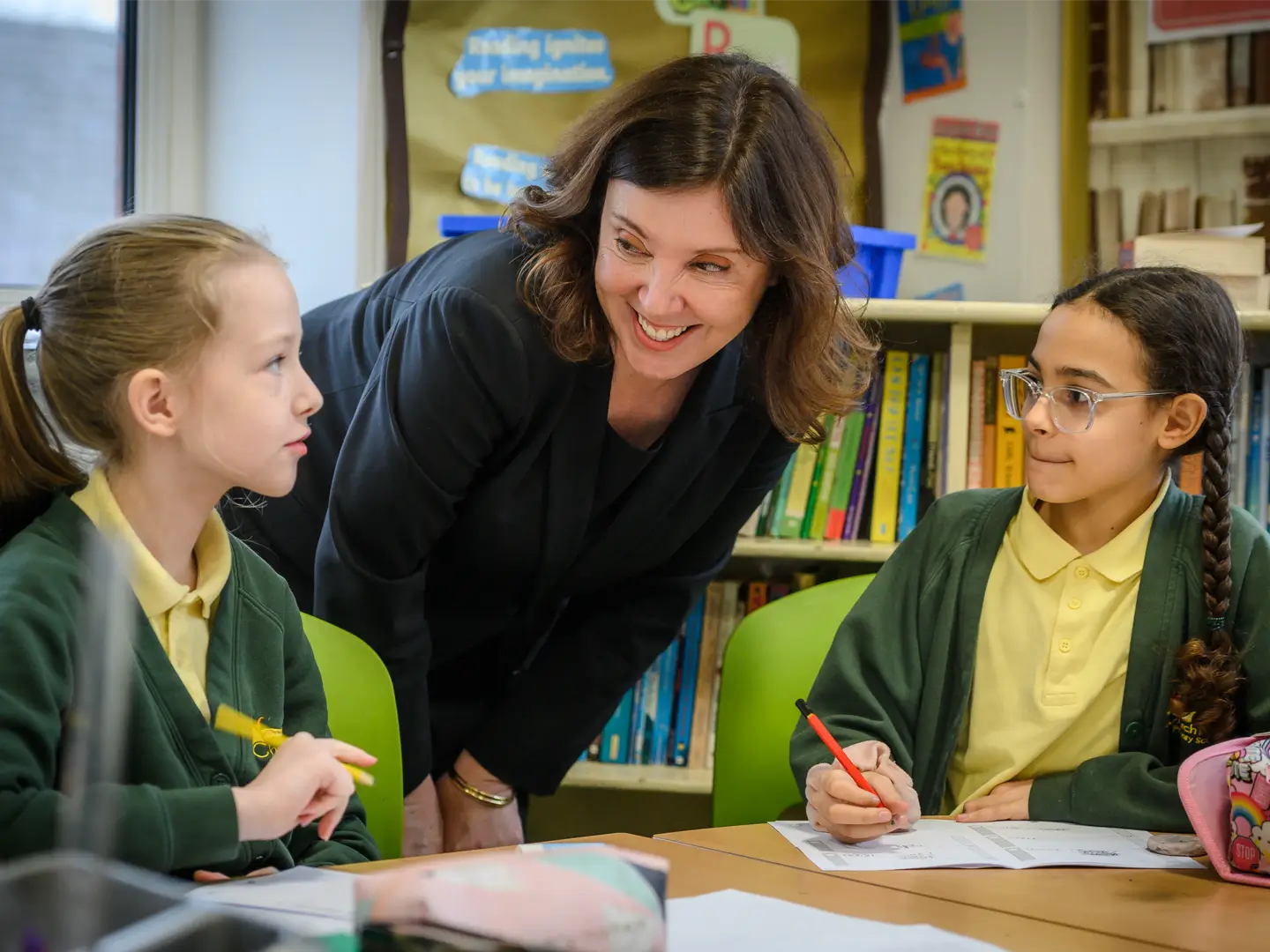
But I know it can be done. I was a so called ‘turnaround’ head. I, and many other school and trust leaders like me, were told that the schools we took on, and the pupils within them, were too difficult. We proved them wrong.
I believe that the reforms must be told. My vision for education in custody is ambition, rigorous and humane. A system that delivers the best that has been thought and said, that concerns itself not only with literacy, numeracy, and a route to work but the cultivation of conscious, of discernment, and of the tools to imagine a life other than the one that led to the cell door.
I have long called for the closure of YOIs – and remain absolutely committed to that goal. These are violent, Dickensian institutions. But for as long as they are in use, they must provide children with the education, skills and support they need to rebuild their lives.