

A version of the below blog appeared in The FT in September 2026.
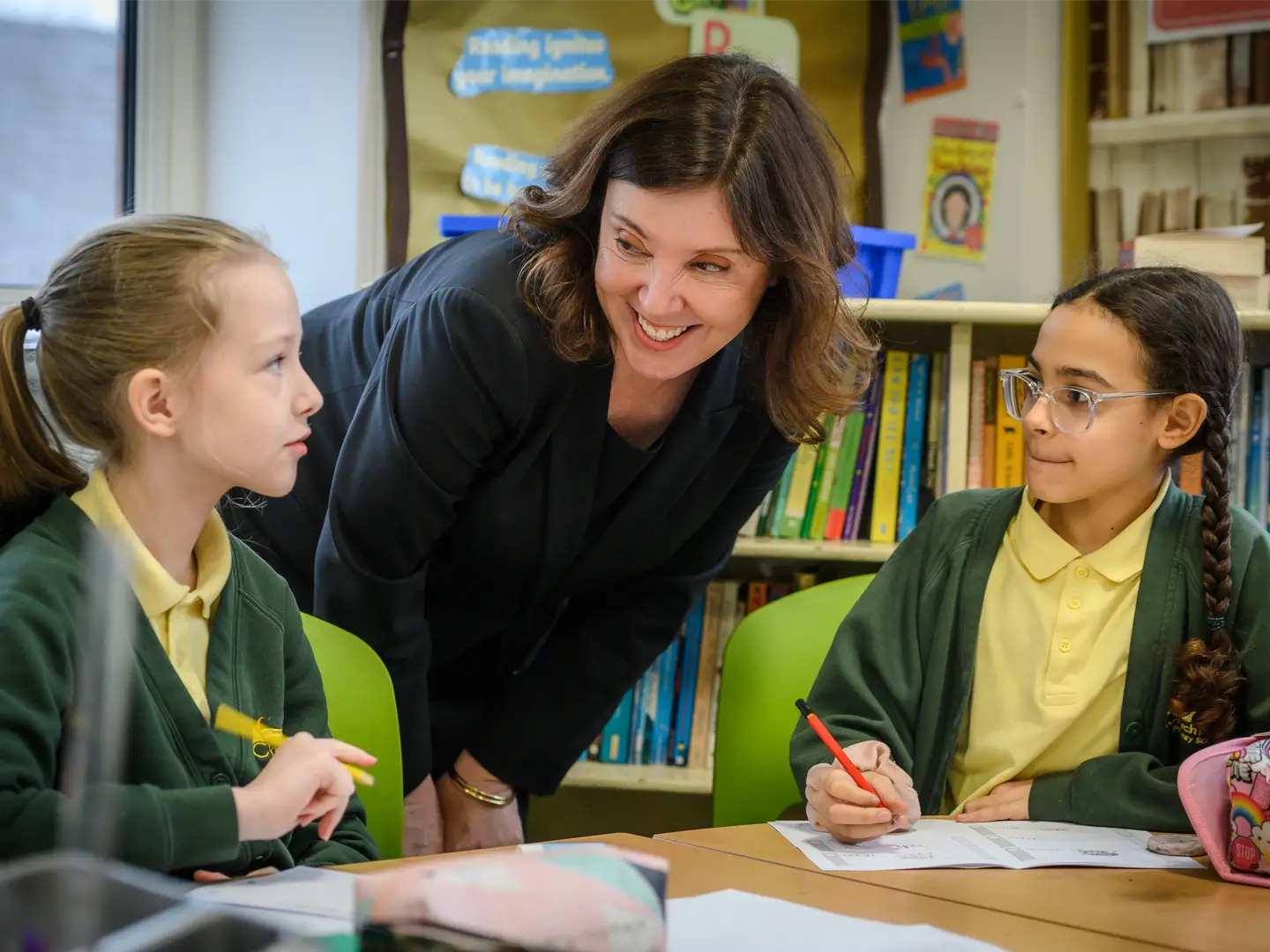
Every time I speak to children their voices resonate with me, and I take something back to Westminster. Nowhere was that more true than last week on a visit to Scunthorpe, where I grew up. I visited the giant steelworks where my dad and my grandads made a living and the college that put me on the path to teaching.
But this trip down memory lane was about the future. I spoke to students at John Leggott College and apprentices at British Steel about their ambitions and what they need to achieve them.
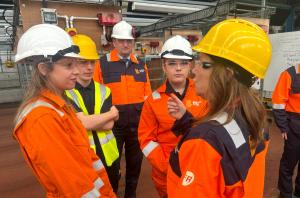
As we put on our hard hats and high-vis jackets for a tour of the factory floor, the new apprentices told me they were happy to be learning hands-on, being part of a team and working – but lamented the lack of advice, options and appropriate experience at school. “Here you want to show what you’re worth and get better,” one told me.
Similar messages came from the students I met alongside my former teacher, ex-college principal and now MP for the town, Sir Nic Dakin. As one young man put it: “We need to know more about what we can do when we leave school, while we’re in school.”
No decision that impacts children should happen without their voices being heard. And nowhere is that more important than how we respond to the number of young people struggling to find work — 300,000 more young people are out of work or education compared to when I started my role five years ago.
Let’s not be distracted by the imagined competition between academic expectations and quality vocational and technical education. We can, and must, do both. The education reforms of the last 20 years made a huge difference. As a headteacher I was at the forefront of these and I am proud that we have delivered the outcomes for England visible in this month’s PISA results from the OECD.
The lesson is that when you apply expertise, energy and funds, you can expand the number of children who receive a fantastic education. Yet system-wide, we haven’t got it right for all children.
Let’s make up for lost time on vocational opportunities without slowing down on academic excellence. The two must go hand-in-hand so that every child, no matter their background, can choose quality academic paths. Around 200,000 children do not pass their Maths and English GCSE each year – we must do more for them. That means excellent teaching in every school, with real focus on those two foundational subjects, as well as high-quality vocational options, designed for all children and not as plan B for those who struggle academically.
We still bear the scars of Covid school closures and must continue to tackle attendance, which is closely linked to the risk of becoming one of those Not in Education Employment or Training (Neet). One in three children who were persistently absent were “Neets” at some point by 19. Children can’t build the skills employers need if they aren’t learning. My new data reveals there are thousands of young people who are enrolled in post-16 education but severely absent. They are the children most in need of targeted support in education and different pathways into work.
I look forward to working with the government to ensure we deliver an excellent education system with routes into work for every child, in every postcode. I was proud to hear the prime minister namecheck Scunthorpe in his first speech after becoming Labour leader. The town where I grew up has had a difficult time – but there and across the country he’ll find young people who are hungry for both academic excellence and vocational opportunities, and eager to play their part in revitalising a region they are proud of.