



As young people get their exam results it’s a time for many to think about the future. The next stage of education can be daunting and uncertain for everyone but especially for young people who are care experienced. They face additional difficulties and complexities, which is why I have published an updated version of the handbook for professionals working in higher education to support them.
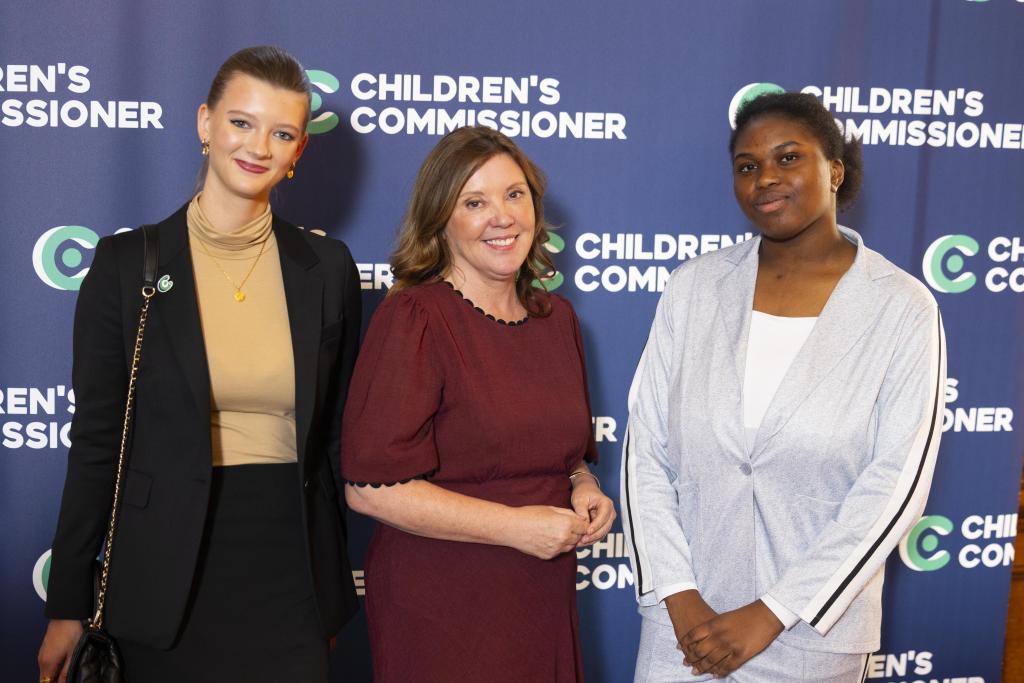
Here my youth ambassador, Tamar, reflects on her journey through school, sixth form and her first year at Oxford University.
Across England we all live with a postcode lottery. There’s a postcode lottery when it comes to school funding and there’s also a lottery when it comes to the support sixth forms and higher education colleges offer to care experienced students.
Thinking back, I wasn’t offered any additional help at school despite being care experienced.
However, that doesn’t mean it has to remain that way for others. This is a time for the system to change so care experienced young people get the same support and opportunities as other young people.
Professionals struggle to understand care experienced students
At the moment, what many professionals may fail to understand is that the difficulties of being care experienced don’t expire or terminate when an individual is moved out of the care system.
Sometimes, it can increase difficulties in their lives which seep into their education and performance and simply not acknowledging this will not eliminate these additional challenges any more than ignoring special educational needs and disabilities would. They are still an additional need, just in a different way.
I am now at university, and I have been offered some help in the form of a care experienced bursary. However the chances of receiving the full bursary are incredibly low so in reality that doesn’t provide large amounts of financial relief.
There are limited ways to speak to other care experienced students at the university to acquire advice or a different perspective. Even though that’s the case, I would say my university does more than most. I have heard that other universities offer little or no help specific to care leavers or care experienced students.
Time for higher education to change
In some cases, the changes are straightforward. There should be training for staff so that they can adequately communicate with care experienced students about their situation. Staff should be able to provide help if they need extra exam arrangements or support if unexpected circumstances suddenly happen which could affect students’ performance alongside potential financial support are all additional ways they can be supported.
It would also be beneficial if all care experienced young people leaving sixth form could be given a point of contact within the school or college that they can fall back on if they find the transition into adulthood or out of the care system particularly distressful or burdensome. Something else to consider is that whilst special exam consideration is given to people who have had recent emergencies such as an injury, nothing is provided for individuals who may have been struggling throughout the year, perhaps because they are care experienced, even though that ongoing struggle compounds over time.
Care leavers are a group of individuals with additional needs which are not a recognised group such as working-class people or other groups protected by law by their characteristics. This is despite the fact that we already acknowledge that the support system and care available for these individuals, something in theory everyone should be born with, is either not there or very thin on the ground.
Thinking about my time in higher education it has become apparent to me that sixth forms and universities could do more. However, the extent to which they can do more would be substantially limited without government intervention.
Until care experienced individuals are considered a protected group and until the help that is already available for care experienced individuals is advertised, promoted and recommended adequately by schools and more widely, the help that is offered will continue to be a postcode lottery.
Geographically privileged care experienced and care leavers may be made aware of the free healthcare for instance, but those who are geographically disadvantaged may not- at least not until it’s too late. The help available needs to be ‘shouted from the rooftops’ and how to get that help including what forms to sign and when to sign them, should be part of that.
Whilst all care-experienced young people are different and have their own unique needs they all share something fundamental in common – they all just want to be able to experience life like anyone else.