



“They are not patients they are themselves again.” Colin Lawrence, CEO of MediCinema shares a guest blog post on how cinemas in hospital make a difference to the experiences of young people.
For most young people, a trip to the cinema is a simple pleasure – a chance to laugh with friends and escape into stories. But for children and young people who spend days, weeks, or even months in hospital, that experience takes on much greater significance. We have seen this with the opening of our ninth MediCinema at Manchester Royal Infirmary, which also serves children from Royal Manchester Children’s Hospital. A cinema can provide comfort, connection, and emotional resilience, transforming the experience of healthcare for young patients, particularly those facing long-term stays.
As the Children’s Commissioner’s research has highlighted, hospitalisation can be isolating and disorienting for children. Medical routines, unfamiliar surroundings, and separation from normal life can have a significant impact on their mental health and emotional wellbeing. The sense of missing out can be profound. School is interrupted, friendships are harder to maintain, and the routines of childhood are replaced by clinical schedules.
More than entertainment: A therapeutic intervention
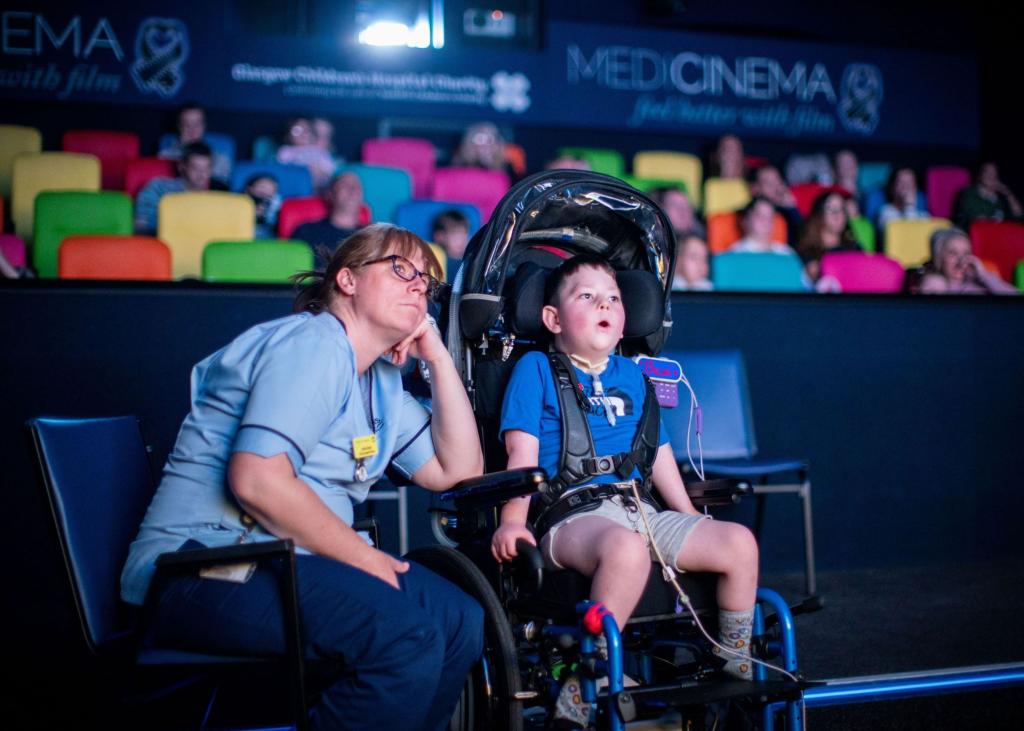
Hospital cinemas are far more than a source of entertainment. They offer a therapeutic intervention that supports both mental health and recovery. Stepping into a cinema creates a powerful change of perspective. The dimmed lights, shared anticipation, and immersive storytelling give young people a chance to step beyond their illness. They are not patients they are themselves again.
This psychological shift matters. Research and clinical experience demonstrate the importance of emotional wellbeing in recovery. When young people feel happier, calmer, and less anxious, they are often better able to engage with treatment. A cinema visit can relieve stress and boredom, provide distraction from pain or discomfort, and give children something positive to look forward to during long days on the ward.
Supporting young people through long-term stays
For patients who experience repeated admissions, the benefits are even greater. Long periods in hospital can lead children to feel defined by their medical circumstances. MediCinema offers an important counterbalance by connecting them to life outside the hospital. Showing the latest releases at the same time as mainstream cinemas helps young people remain culturally connected to their peers. They can discuss films with friends and siblings, sharing experiences despite being physically apart.
Rebuilding connection and community
The social aspect of cinema is equally important. Hospitalisation can be lonely, but a cinema brings people together. For teenagers especially, this sense of belonging is invaluable. Shared experiences help maintain community, strengthen connections, and reduce feelings of isolation. Watching a film alongside others can remind young people that they are part of something bigger than their illness.
Strengthening family bonds
Families benefit too. Caring for a child in hospital can place enormous emotional strain on parents and siblings, while opportunities for normal family interaction are often limited. A cinema screening allows families to spend time together enjoying something unrelated to treatment or illness. Parents can see their child simply as a child again – laughing, reacting, and becoming absorbed in a story. These moments offer emotional respite and help strengthen family relationships during difficult times.
Ensuring inclusion for every child
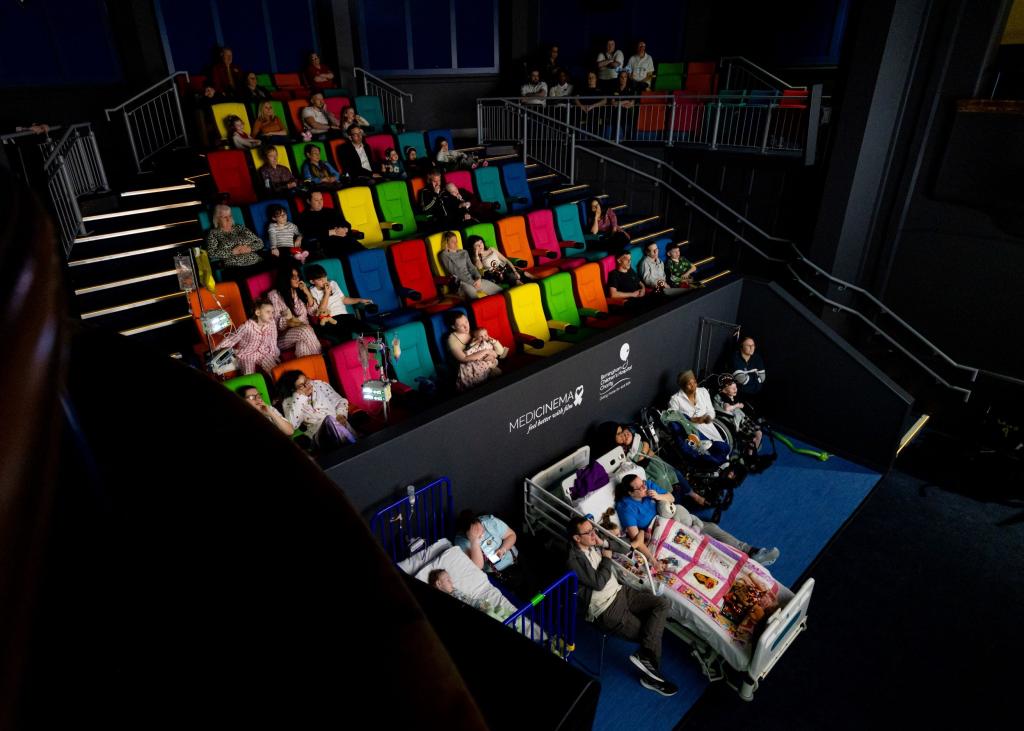
Inclusivity lies at the heart of what makes hospital cinemas so impactful. MediCinema screenings are designed to accommodate beds, wheelchairs, or using complex medical equipment, ensuring they can attend whatever their condition. This sends a powerful message: every child deserves access to joy, entertainment, and shared cultural experiences, regardless of the challenges they face. It is important to recognise the value of initiatives that can significantly improve patient experience at scale and at no cost to the public health system.
A rights-based approach to care
The Children’s Commissioner has long championed the right of every child to live a full and enriching life, even in the face of adversity. Hospital cinemas reflect this vision, supporting children’s rights to play, participate in culture, and experience joy – rights that shouldn’t be left behind at the hospital door.
A window to the world
For young people facing long-term hospital stays, a cinema is more than a room with a screen. It is a window to the outside world.
By continuing to support these spaces – without funding from the NHS – we can help ensure that children in hospital have the opportunity not only to recover, but to thrive.