
Yesterday I shared what the first half of my Youth Ambassadors wanted the new Prime Minister to focus on to improve children’s lives – their answers focused on what the Andy Burnham should do to make children’s lives better across health, education, children’s social care and how to improve access to jobs and skills for young people.
Today I’m sharing the views of my remaining Youth Ambassadors – here is what they had to say:
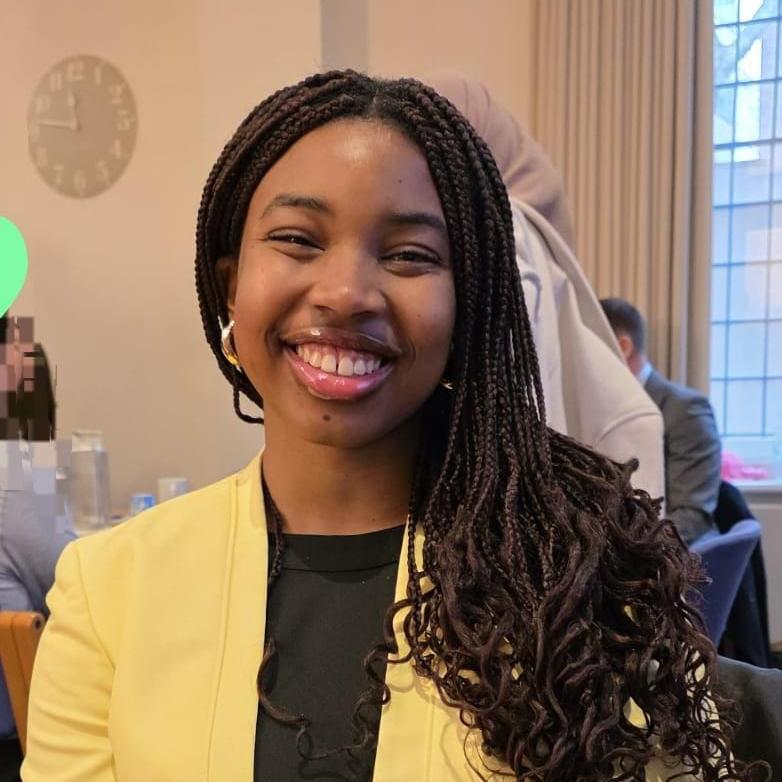
Fasanya, 16: “Giving every child an equal opportunity to succeed, regardless of their background or postcode has to be a priority for the new Prime Minister. This means investing in early support rather than waiting until children reach crisis point, with better access to mental health services, stronger support in schools and more opportunities for young people to develop leadership, skills and confidence, which can change the course of their lives. Children’s voices must be placed at the heart of decision making, because young people are experts in their own experiences and policies affecting us should be shaped by not, not just for us. When young people feel safe, heard and supported they are more likely to thrive.”
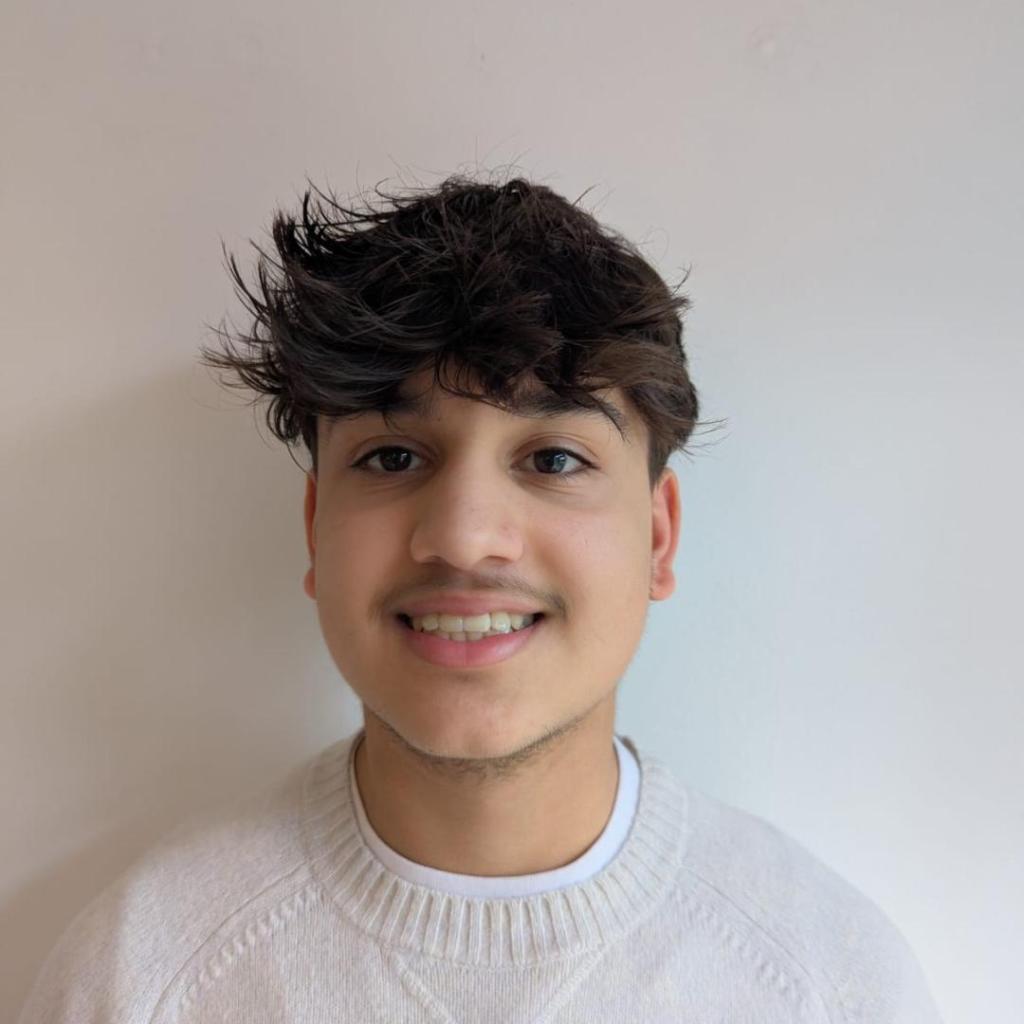
Muhammad, 17: “The new Prime Minister must focus on the social media ban – the initial legislation is only the first step in reducing the negative effects of social media. Relying on one law alone will not solve the problem, as technology and online behaviour is constantly changing. Instead, the government must be prepared to adapt legislation in response to evidence and what children tell them – by keeping a flexible approach the government will be able to understand how the ban is impacting children’s wellbeing and online safety, at the same time they can respond to emerging technology and behaviour. By listening to children, parents, teachers and mental health experts the government will understand how the ban is working in reality and be able to identify any weaknesses and improve online safety for children over time.”
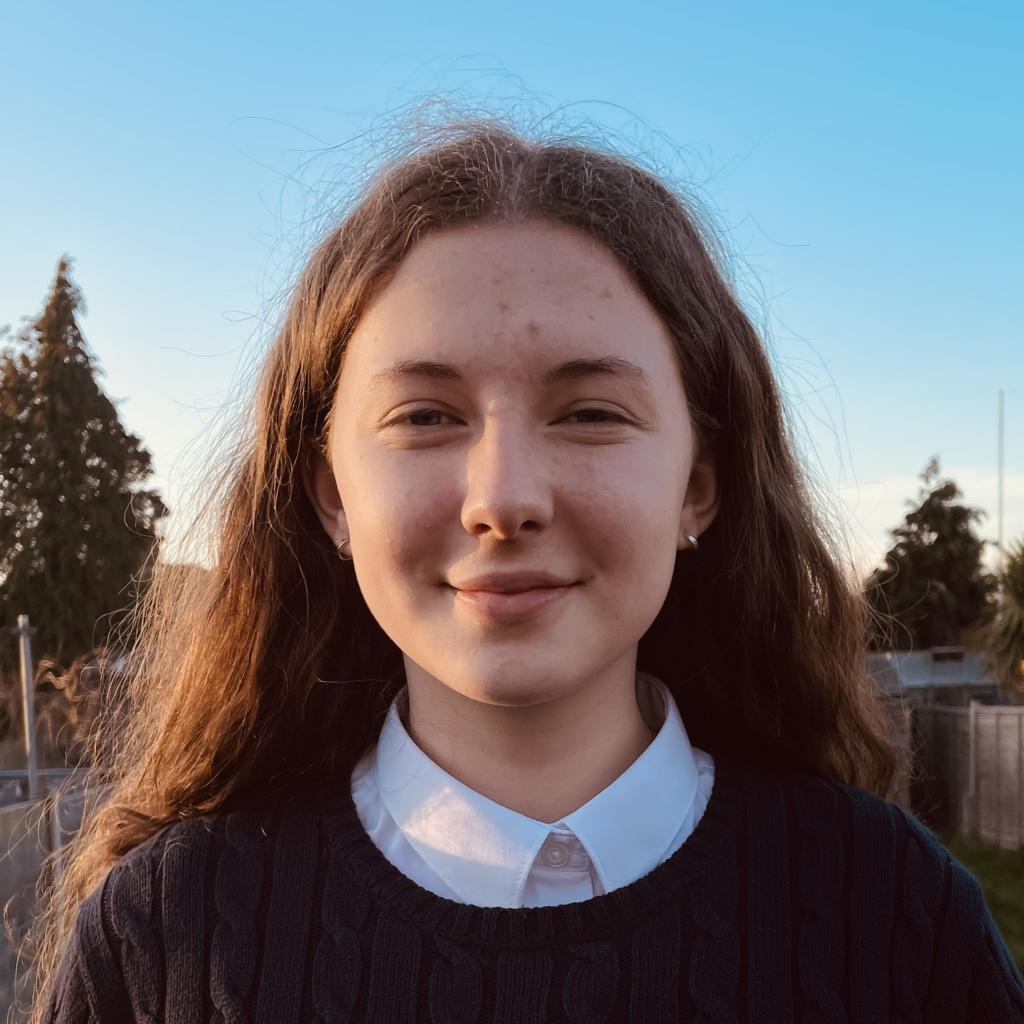
Niah, 16: “I think it’s important that the Prime Minister supports children and families who are struggling – especially financially or with their mental health. For years we’ve seen rising mental health needs among children and young people all while mental health services struggle to keep up to meet the demand. Without timely intervention, children may struggle emotionally, socially and academically and potentially putting them at a disadvantage with their peers. Parents and carers facing financial hardship or mental health often experience additional stress which can impact the children’s wellbeing and happiness. While progress has been made in supporting families, further action is needed to proactively support children and families. I’d like to see the government take a more family centred approach that empowers children and parents offering wellbeing check ins, practical financial advice and access to support. Expanding these services across England would ensure more families are identified early, receive appropriate support and feel heard.”
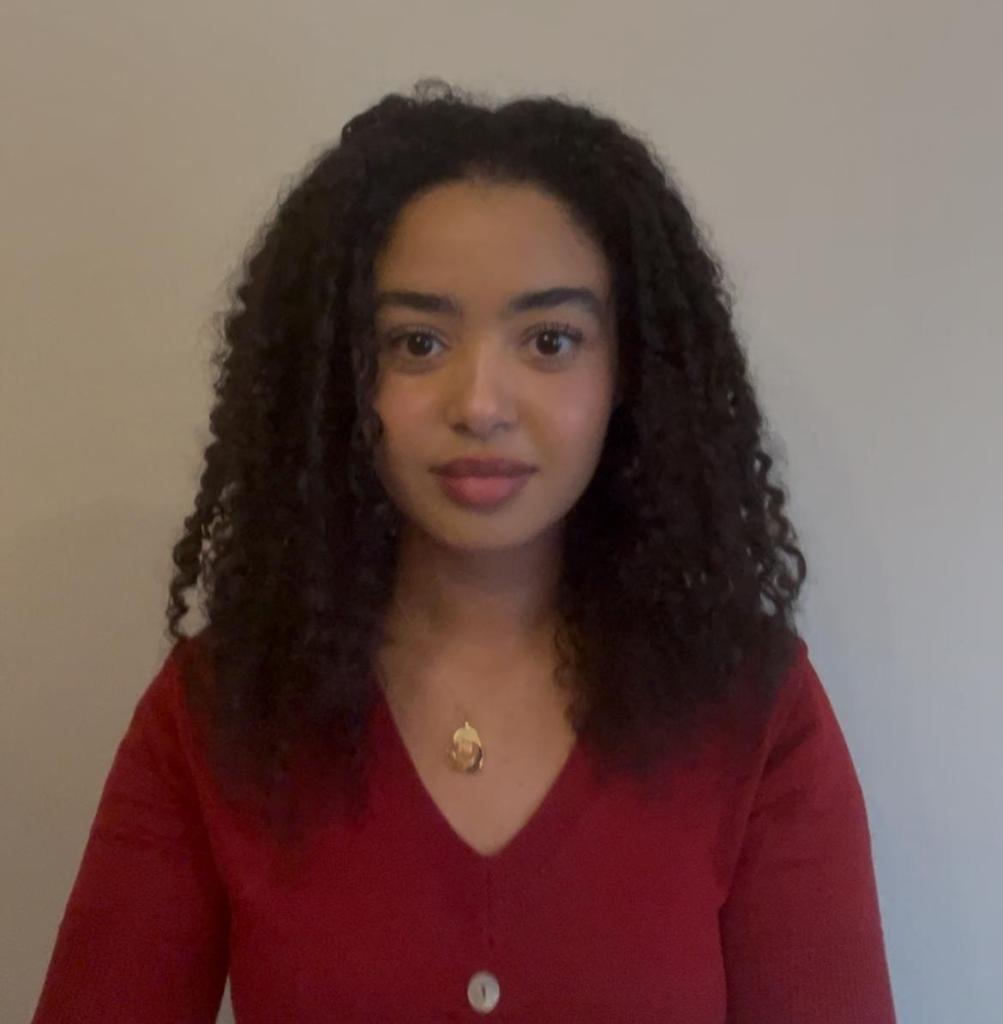
Arianne, 16: “A critical issue for young people today is widespread, toxic influences present both online and offline. These can encourage children to develop anti-social, prejudiced opinions before they have had the chance to develop their own values and attitudes. An example of this is the rise of extreme or ‘manosphere’ influencers who push ideologies and influence young boys and the impact on women and girls, seen in the violence and misogyny both online and offline. I would like the new Prime Minister and government to address this issue not just by restricting detrimental influences through the social media ban, but by replacing them with ambitious youth programmes. This would support young people to develop positive mindsets and values that would contribute to a more just society whilst developing their skills and abilities, helping them to fulfil their potential. These programmes should engage young people and develop critical thinking skills to evaluate sources, recognise misinformation and make well informed decisions to create a more tolerant and resilient generation.”
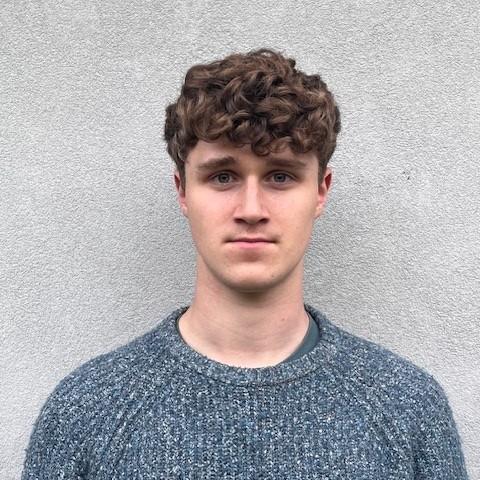
Sebastian, 17: “If the voting age is to be extended to 16-year-olds then I think it’s vital the Prime Minister puts youth democratic participation at the core of his agenda. I would also like to see the new PM expand political education in schools, improving political literacy among young people and encouraging them to form their own opinions. Equally, more mental health support should be made available in schools in order to tackle the mental health crisis among young people. Schools should also work to confront the stigma around mental health by incorporating mental health awareness into the curriculum from an early stage by encouraging healthy open conversations. The Prime Minister must look to address the rising levels of misogyny among young men and boys, both by tackling the online sources that promote misogyny and by providing targeted services within schools and communities. These services would stand to encourage young men to form healthy and respectful views and would provide them with a positive and supportive community, rather than the toxic communities that exist online.”
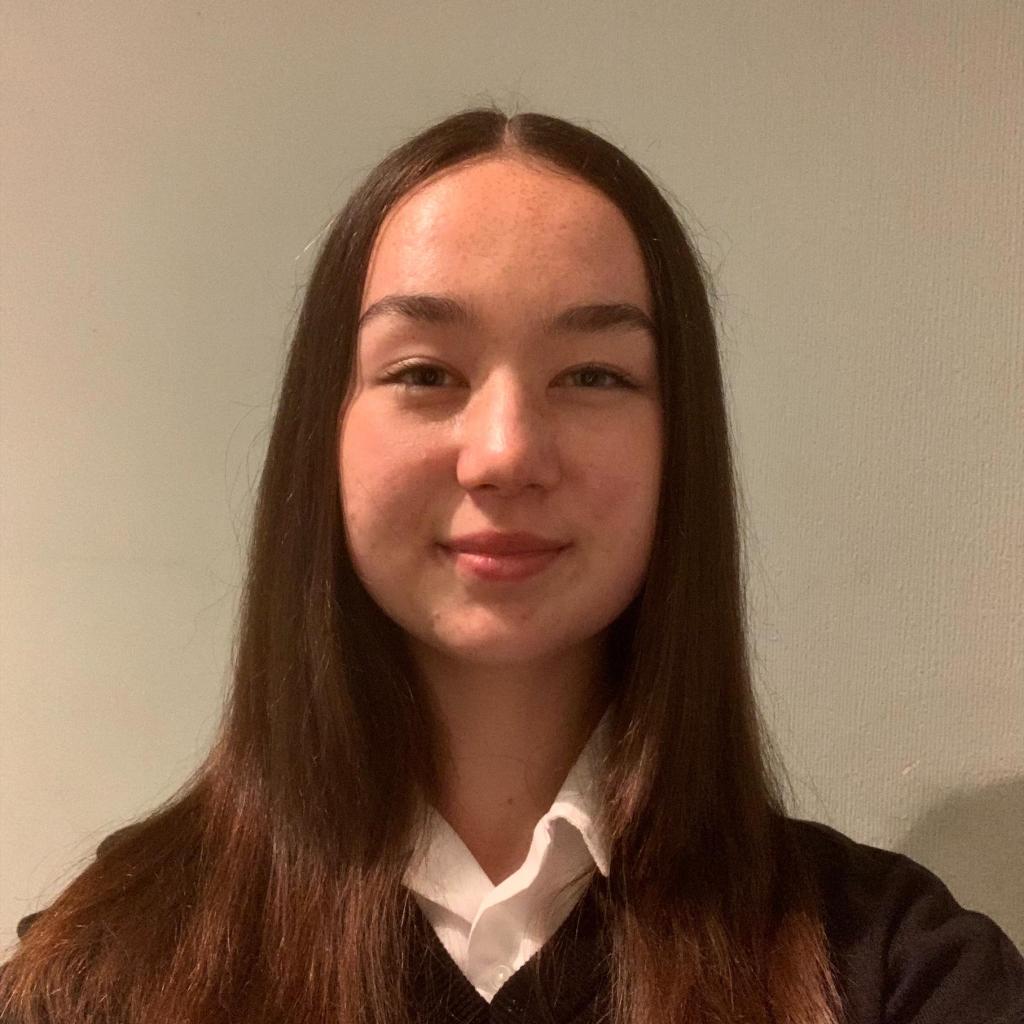
Ella, 17: “The new Prime Minister must help young people to feel more confident when asking for help. Firstly, there must always be provision available that is able to respond timely to any child in need. This will assure us that someone will really listen and that asking for help is not a burden on the already overwhelmed children’s services. Secondly, more work must be done to remove the stigma around asking for help – when it is one of the strongest things you can do. This can be taught through better education in schools about mental health, bullying, and sexual harassment, and what help is available. Thirdly, issues such as cyberbullying can seem insignificant and not worth anyone’s time. Helping young people to feel that their concerns are important, no matter what they are worried about, must be a priority. Every young person should feel safe to ask for help for bullying, sexual harassment, and their mental health, and they should feel supported when doing so. We must change the narrative that help is only available when in crisis. No one should be forced to reach a crisis to feel worthy of support.”
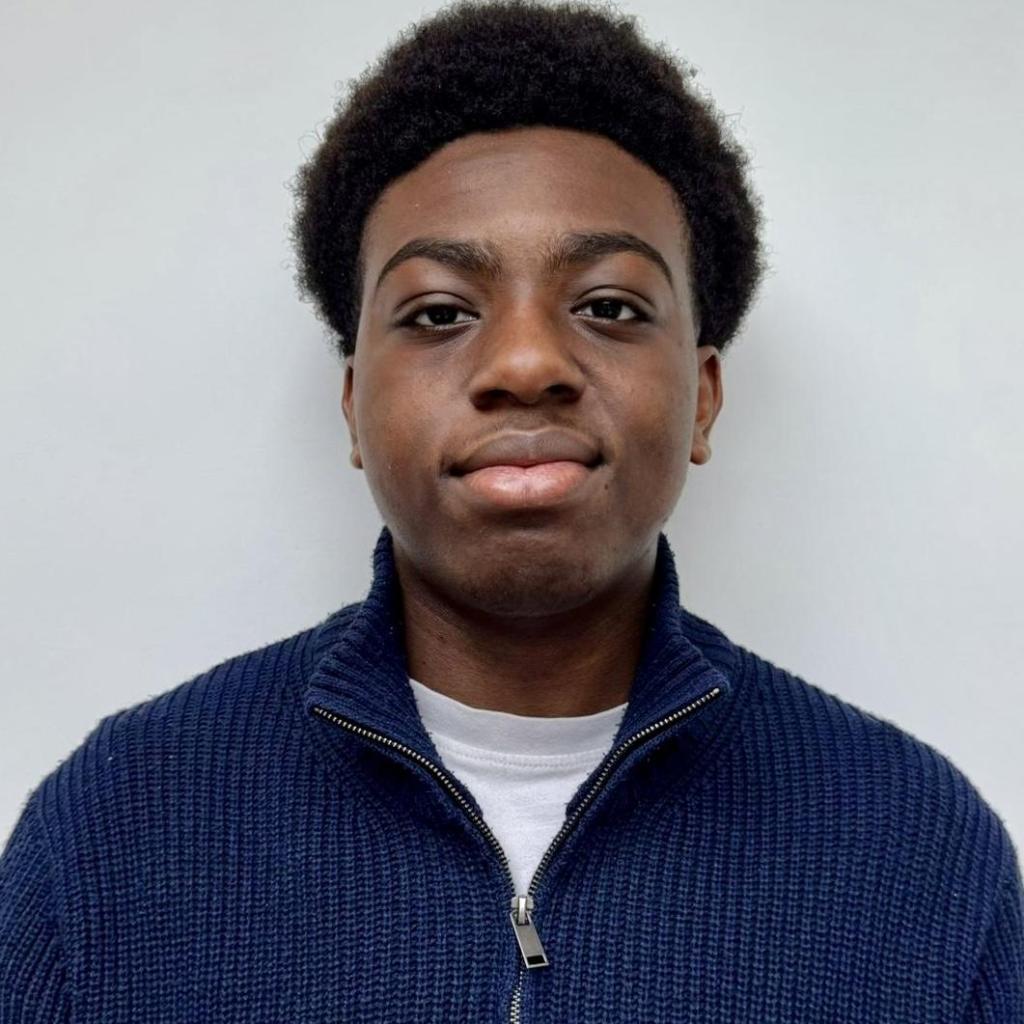
Temi, 17: “The proposed social media ban and overnight curfews risk potentially isolating the younger generation without giving them the tools or physical space to thrive. A blanket ban removes the online spaces young people have become reliant on, while offering us nothing to replace them. For that reason, I want the Prime Minister to have a new approach shifting from restriction to education and solutions. The online world is inevitable, so the government should embed digital literacy into the curriculum so young people are equipped with the essential skills to navigate digital spaces safely when they eventually regain access to social media. Additionally, to offset the loss of online spaces, the government should invest in accessible, high quality outdoor spaces including parks, green areas and play zones in every neighbourhood. These spaces would be crucial for children’s physical health, wellbeing and social connection.”
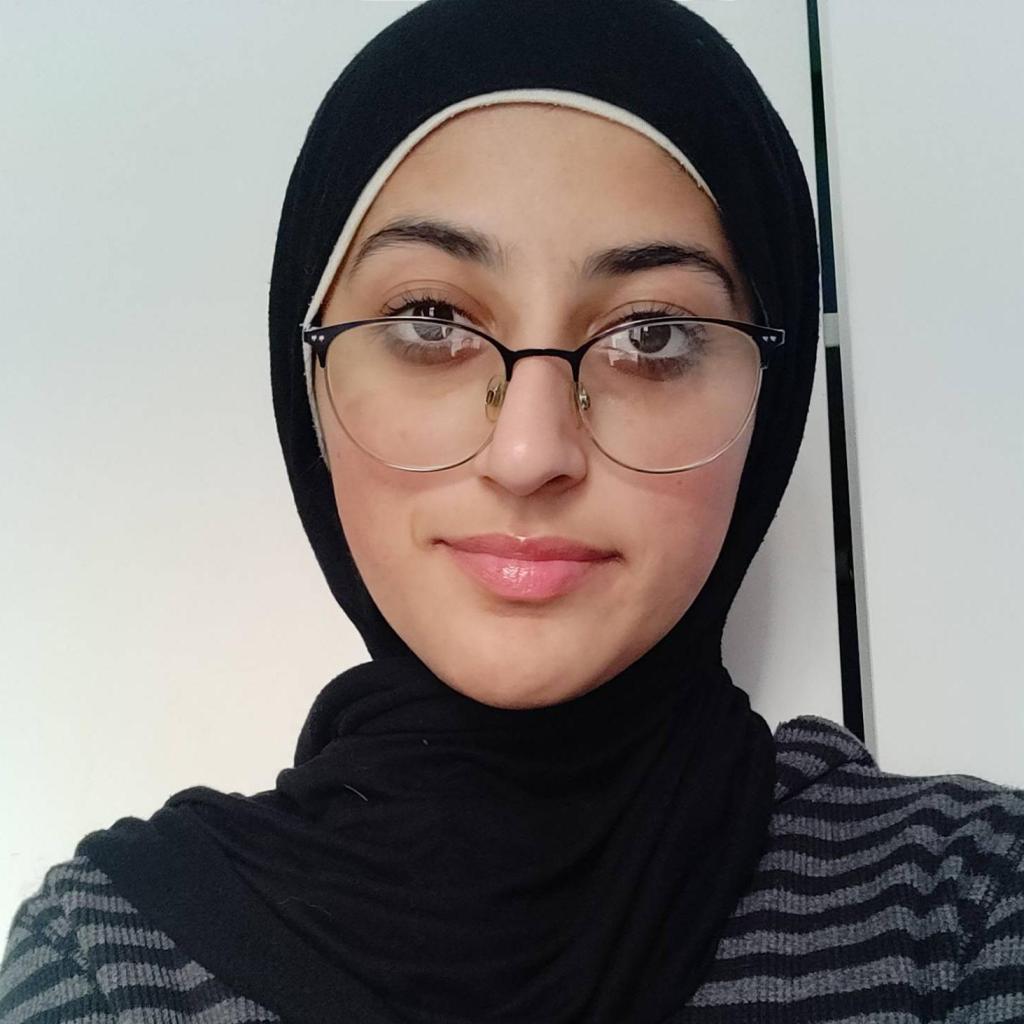
Saamiah, 17: “Personally, I believe the Prime Minister needs to put more funding and attention into support for children. If we acted to stop children reaching crisis point before they could get the support they need, we could probably help more children and allow more children to thrive. I think there needs to be a greater focus on children within the services that young people rely on every single day. Although there is currently a lot of general awareness out there for mental health, there is still not much surrounding the specifics, or surrounding children who are living with chronic illnesses. This lack of understanding subsequently leads to a massive feeling of isolation and worse outcomes for young people, both mentally and physically. Children should not have to fight a broken system to get basic care.”
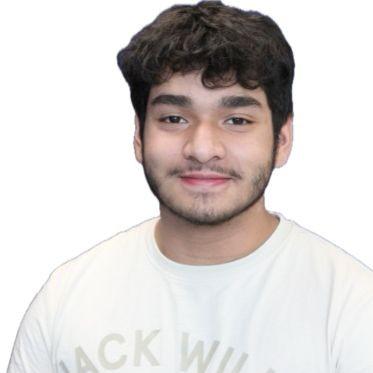
Safwan, 17: “In a time of growing division, confusion and fear, exacerbated by the unpredictable nature of conflict around the world, I would like to see the Prime Minister focus on ensuring young people from all racial and religious backgrounds feel safe – not worried about being targeted because of their religious and cultural expressions. Hatred is not an innate attribute; no one is born racist. We need to move away from a politics of condemnation of hate with hope that tensions will alleviate. Whilst I feel the incoming social media ban will act as a safeguard in preventing young people from being exposed to harmful content, it also creates a void where young people may have otherwise been able to learn about the cultural diversity in the country. The Prime Minister could address this issue through educational reform, perhaps by implementing a new PSHE curriculum which is encompassing and reflective of the rich cultural diversity and history of the UK – so young people can learn about different communities, free from assumption and prejudice. A lot of the hatred we see is not rooted in malice, but stems from ignorance and fear of the unknown, issues that can be eliminated through education.”